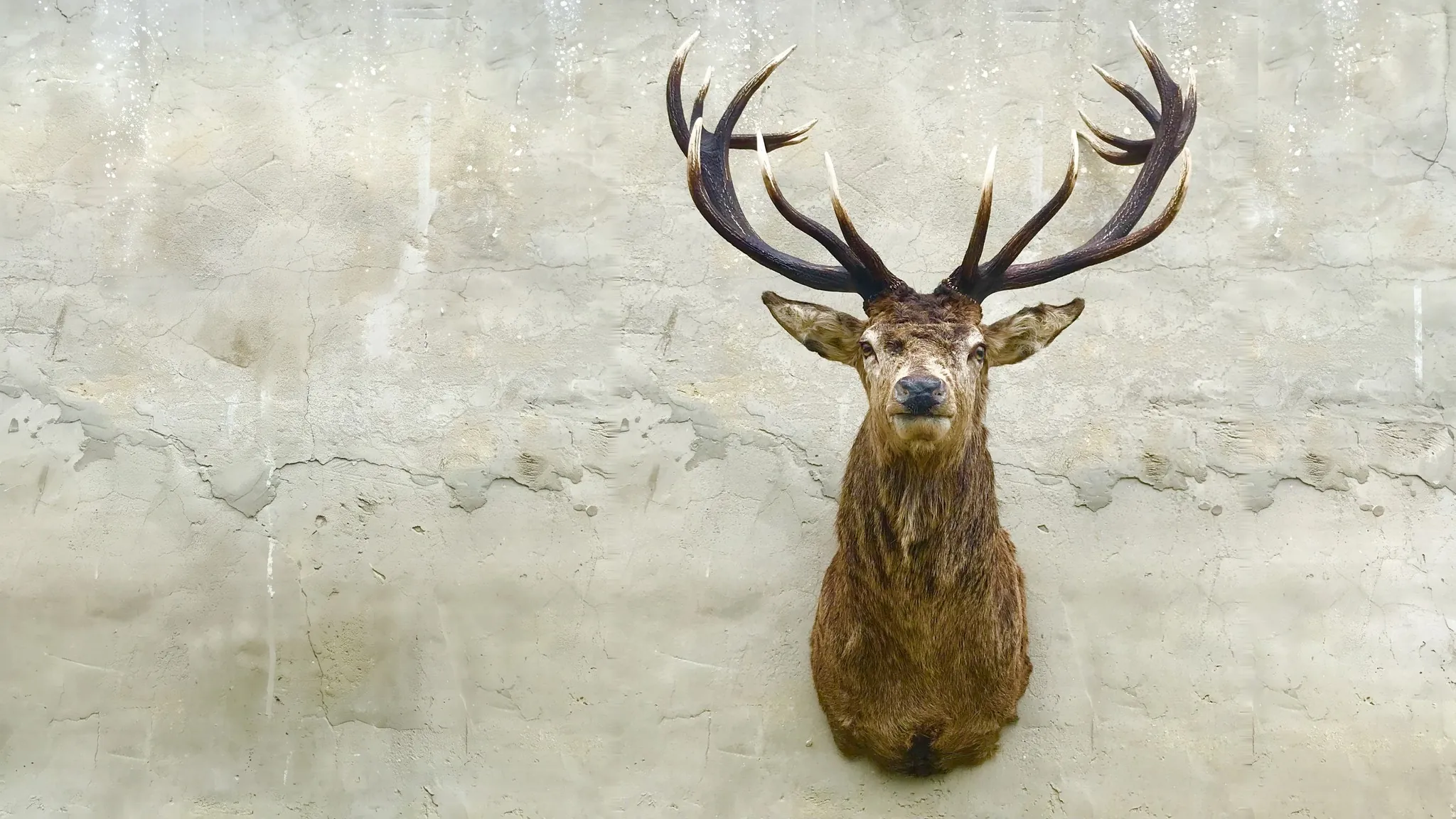
Trophy mounting that brings your stag back to life
Shoulder mounts, full mounts, pedestal pieces and antlers on shields, made by hand at Robert's studio near Strathpeffer.
- Native deerred, roe, sika and fallow first
- Correct formsanatomically correct, from the best makers
- Detachable antlerson big stags, for safe moving
- Deliveryacross the UK, worldwide at cost
What Robert can mount for you
Deer are his speciality, and he mounts most other species too. Every piece is set on an anatomically correct form and finished by hand, so it keeps its look and its value for years.
-
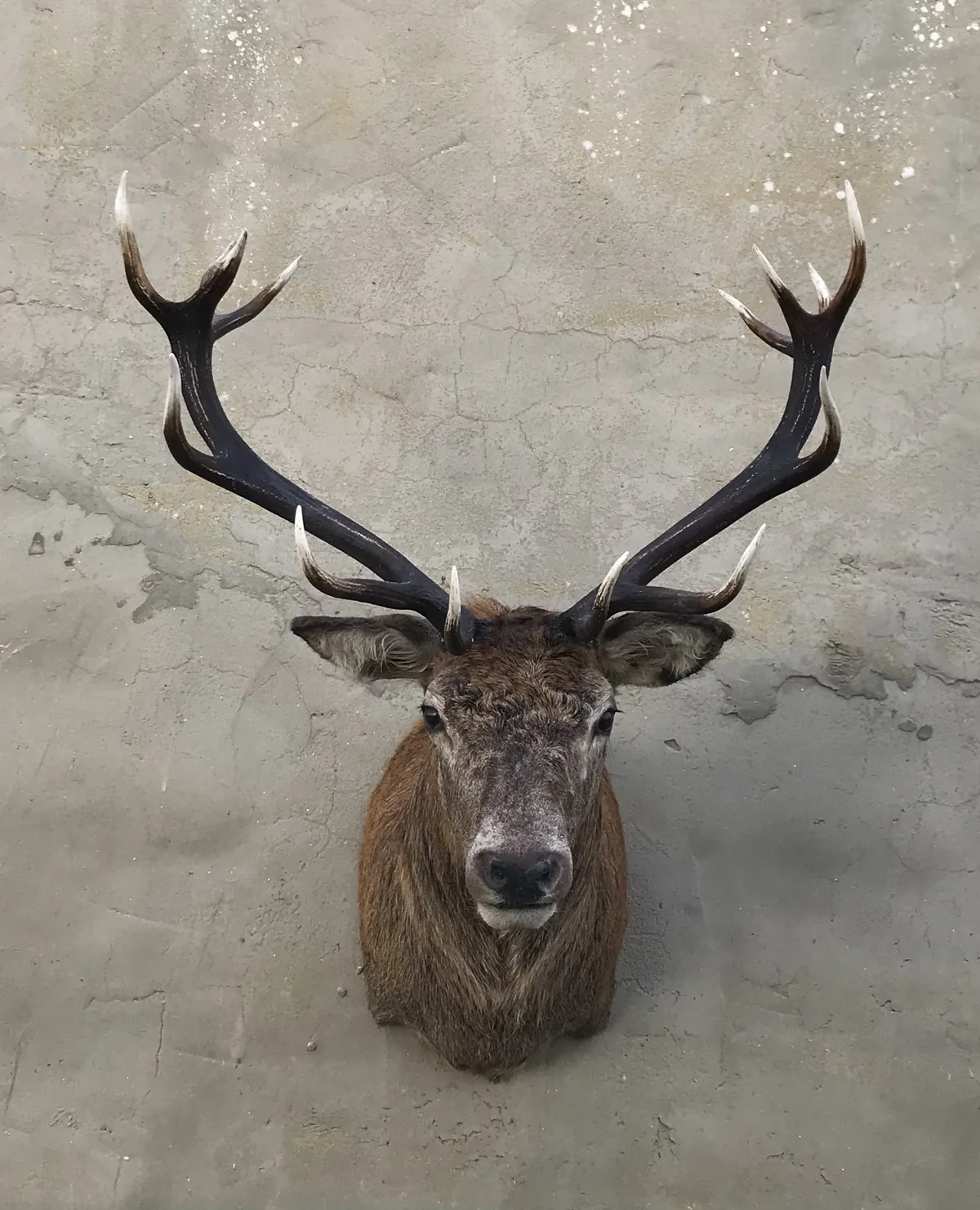
Shoulder mounts
Red, roe, sika and fallow, set straight, turned left or right, upright or roaring. Big stags come with detachable antlers so they travel and hang safely.
-
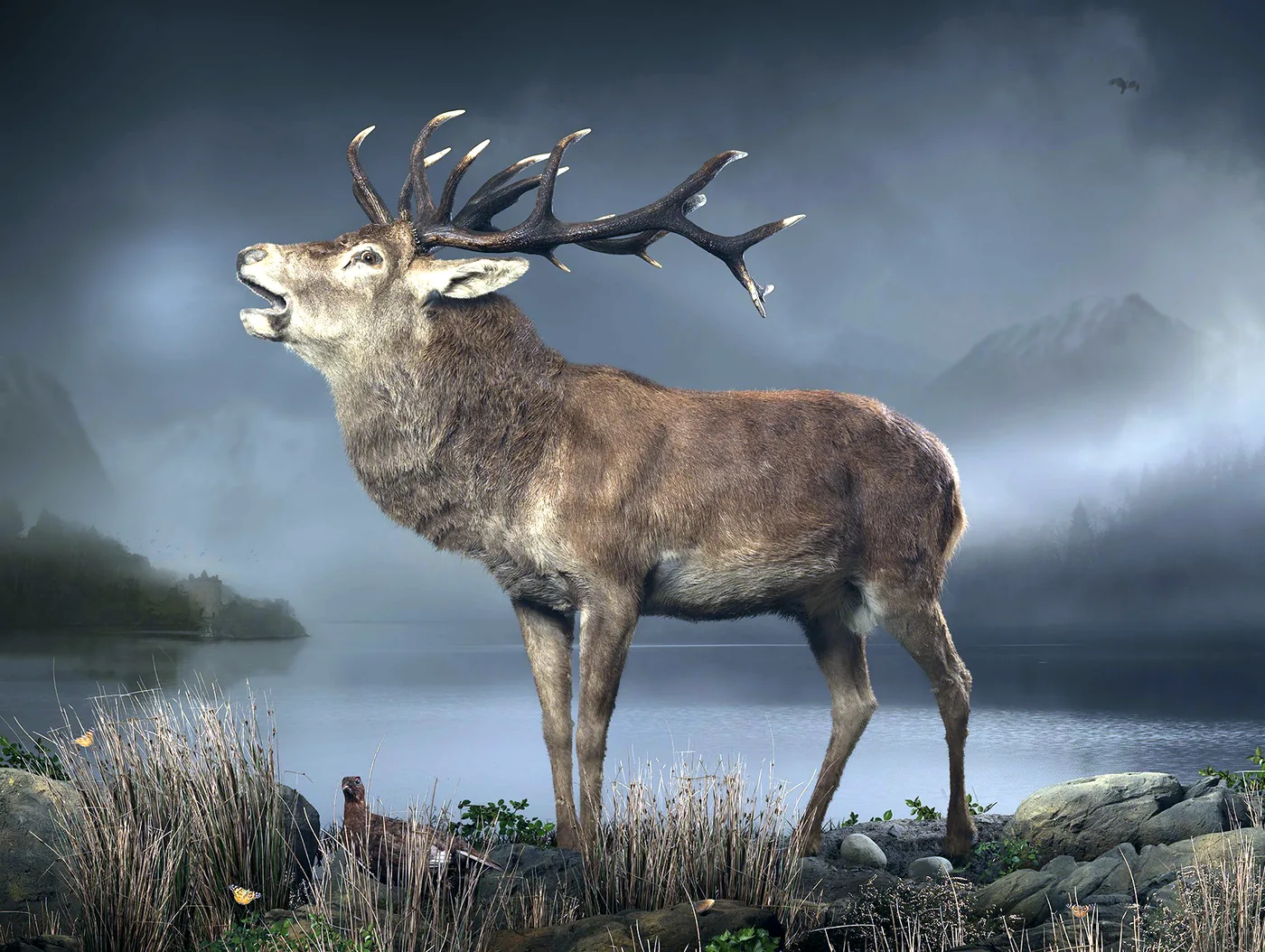
Full life-size mounts
A whole stag, roe buck, fox or hare in a natural pose, set on a base with its own habitat.
-
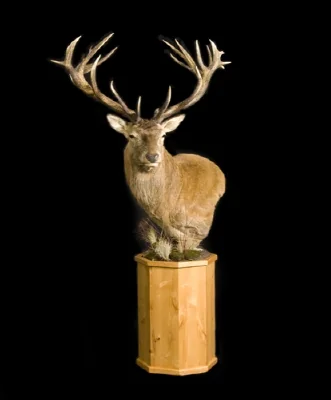
Pedestal mounts
Any game head on a pedestal with made-up habitat, as a show piece for a hall, lodge or hotel entrance.
-
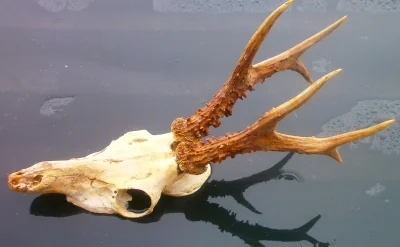
Antlers and skulls
Skulls cleaned and whitened, set on an oak shield, with a brass or ivory plaque if you want one.
-
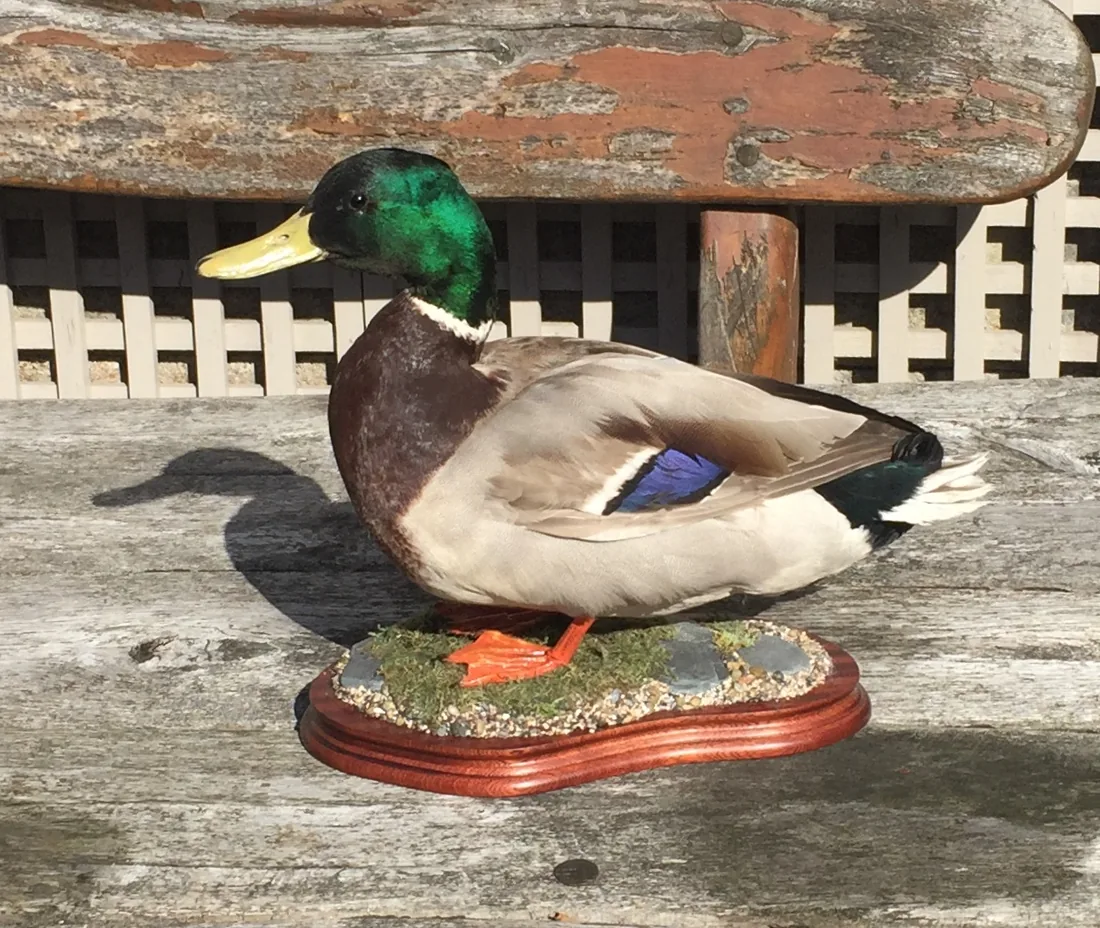
Birds and small game
Pheasant, grouse, blackcock, mallard and woodcock, foxes, hares, stoats and more.
-
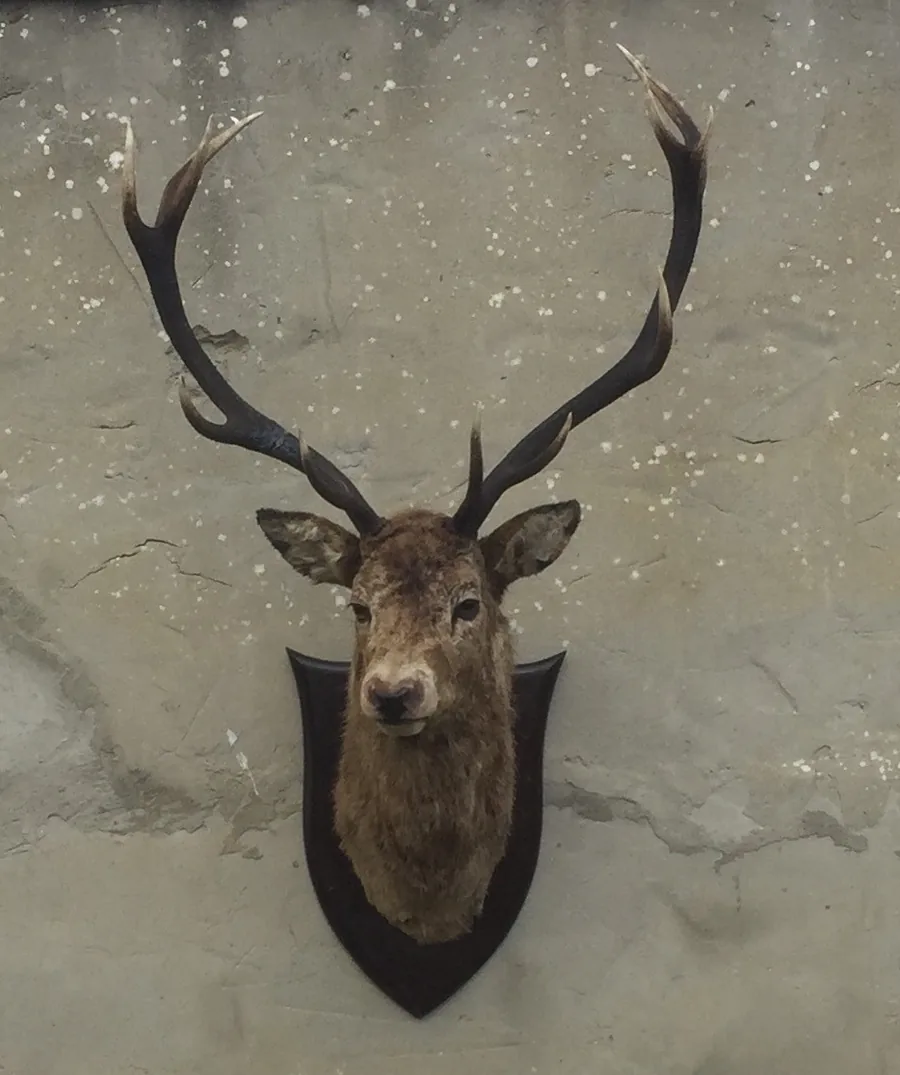
Your antlers, a new cape
Robert keeps capes in stock to suit antler sets, so a favourite set that never reached a taxidermist can still become a shoulder mount.
Four measurements Robert needs
Take them in the larder before you skin, write them on a card and keep it with the cape. For a shoulder mount, A and B are all he needs.
- A measurementNose to eye
Tip of the nose to the front corner of the eye. Callipers are best: a tape can be out by half an inch.
- B measurementRound the neck
Three inches below the ears. The most important measurement for a shoulder mount.
- C measurementNose to tail
Tip of the nose to the base of the tail, along the back. Full mounts only.
- D measurementRound the belly
Girth at the widest part of the belly. Full mounts only.
From the hill to the studio, step by step
Most damage to a cape happens before it ever reaches Robert. Follow these steps and he has the best skin to work with.
- 1
Check the skin
Before you think about a mount, look the beast over for bad scarring, torn ears and hair loss.
- 2
Leave the throat alone
Do not cut the bottom of the neck to bleed it. A heart and lung shot bleeds into the chest. Gralloch quickly for a good carcase.
- 3
Protect the head off the hill
No dragging, no rope marks, no ears nipped by the antlers. Wrap a jacket round the head or pad it with moss where it is tied.
- 4
Measure in the larder
Take the nose to eye and neck measurements, write them on a card and keep the card with the skin.
- 5
Skin square over the back
Cut from the start of the brisket square over the back. Knead the skin off with your fist rather than the knife, then roll it down the neck to the joint.
- 6
Bag it and keep it cold
Seal it in a heavy bag tied round the antler bases with the card. Chill it if Robert will have it within a day or two. Otherwise let it cool, then freeze it.
- 7
Call Robert
Ring the studio to arrange getting the cape to Dochnaclear, and for any advice along the way.
Ready to send Robert your trophy?
Call the studio or send a message with what you have, and Robert will talk you through the mount and the price.