aprobarto pass an exam
Spanish exam preparation with an examiner's eye
Prepara tu examen con confianza
One-to-one lessons and carefully chosen small groups for GCSE, IGCSE, A Level, IB and DELE. Clear strategies, detailed feedback and real confidence, from a teacher with more than 16 years in the classroom who also examines.
Which exam are you taking?
¿Qué examen tienes?
Every exam asks for something slightly different. Lessons follow the one you are sitting, so no time goes on anything that will not earn marks.
GCSE Spanish: Four skills, two tiers
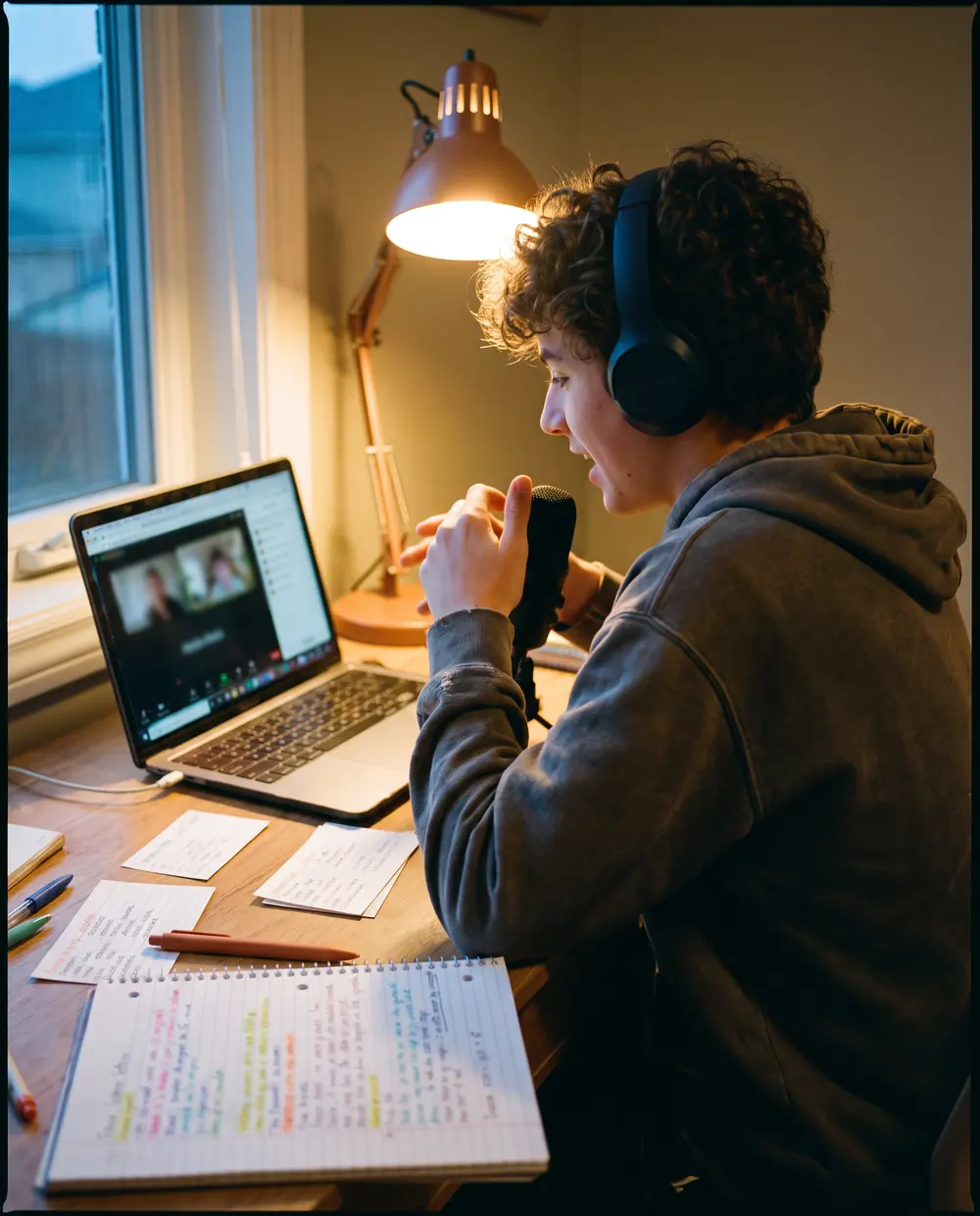
Listening, speaking, reading and writing, at Foundation or Higher tier. Lessons work through the themes and grammar of your exam board's specification, with plenty of speaking practice and written answers marked the way an examiner would mark them.
- Speaking practice with feedback on every answer
- Tenses and structures that lift a grade
- Exam technique for each paper

IGCSE Spanish: Accuracy under time pressure
Listening, reading, writing and speaking, following your board's specification. The focus is on topic vocabulary, accurate grammar and confident spoken answers, built up so they hold together in timed conditions.
- Topic vocabulary that sticks
- Accurate writing within the word count
- Confident answers in the speaking test
A Level Spanish: Essays, research and real discussion
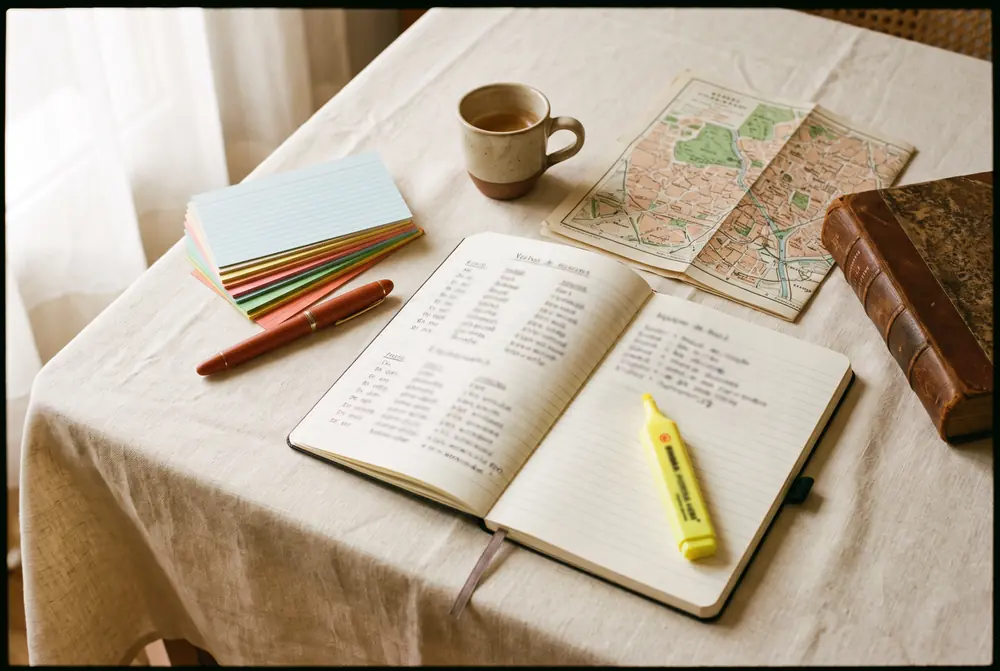
Essays on the films and books you study, an independent research project you present and defend, translation, and the advanced grammar that holds it all together. Lessons build the ideas and the language to argue them.
- Essay planning on your set works
- Support with your independent research project
- Discussion practice for the speaking exam
IB Spanish: Language B or ab initio
Spanish B at Standard or Higher Level, or ab initio. Written tasks, listening and reading, and the individual oral, where you discuss a stimulus linked to the themes of the course.
- Text types and written tasks
- Preparation for the individual oral
- Reading and listening strategies
DELE diplomas: A1 to C2, for life
The official diplomas of Spanish as a foreign language, issued by the Instituto Cervantes on behalf of Spain's Ministry of Education. Each level tests reading, listening, writing and speaking, and the diploma does not expire.
- Practice with the format of each test
- Speaking tasks rehearsed out loud
- A plan matched to your level and exam date

Feedback the way an examiner gives it
Corregir para aprender
Scroll to mark a sample answer the way Moni marks your work: each slip found and explained, and the good choices rewarded too.
- Tense. A finished trip takes the preterite.
- Word choice. Calor is a noun, so mucho, not muy.
- Gender. Casco Viejo is masculine.
- Agreement. La gente is singular and feminine.
- Credit. A conditional and a reason earn marks.
Sample answer: describe a recent trip
El verano pasado voyfui a Bilbao con mi familia. Hacía muymucho calor y comimos pintxos en lael Casco Viejo. Me gustó mucho porque la gente era muy simpáticossimpática. En el futuro, me gustaría volver porque quiero practicar mi español con la gente de allí.
MarkedEvery correction comes with the rule behind it, so you can fix it yourself next time.
One-to-one, or a small group
Tú eliges
One-to-one
Every minute goes on your exam, your gaps and your pace. Lessons change as you improve, and the feedback is all yours.
Small groups
Carefully selected, so the students share a level and a goal. More voices to practise speaking with, and the same detailed feedback.
Questions parents and students ask
Preguntas frecuentes
Which exams does Moni prepare students for?
GCSE, IGCSE, A Level and IB Spanish, and the DELE diplomas from A1 to C2. Adults preparing for a DELE are just as welcome as school students.
What does it mean that Moni is an examiner?
As well as teaching for more than 16 years, Moni has worked as an examiner. She knows what examiners look for, which mistakes cost marks and how to show what you know, and she passes that on in practical strategies and detailed feedback.
Should my child have one-to-one lessons or join a group?
One-to-one suits students with particular gaps or a tight timetable. A small group suits students who want more speaking practice with others at a similar level. Say what you have in mind in your enquiry and Moni will suggest what fits.
How early should we start?
The earlier the better, because grammar and vocabulary take time to settle. The exam planner shows how the weeks you have left could be used.
How do we get started?
Send an enquiry with the exam, the date and how things are going at the moment. Moni will get back to you to talk about a plan.

Ready to plan the run-up to your exam?
¡Vamos a por ello!
Tell Moni which exam, when it is and how it is going. She will get back to you about lessons that fit.