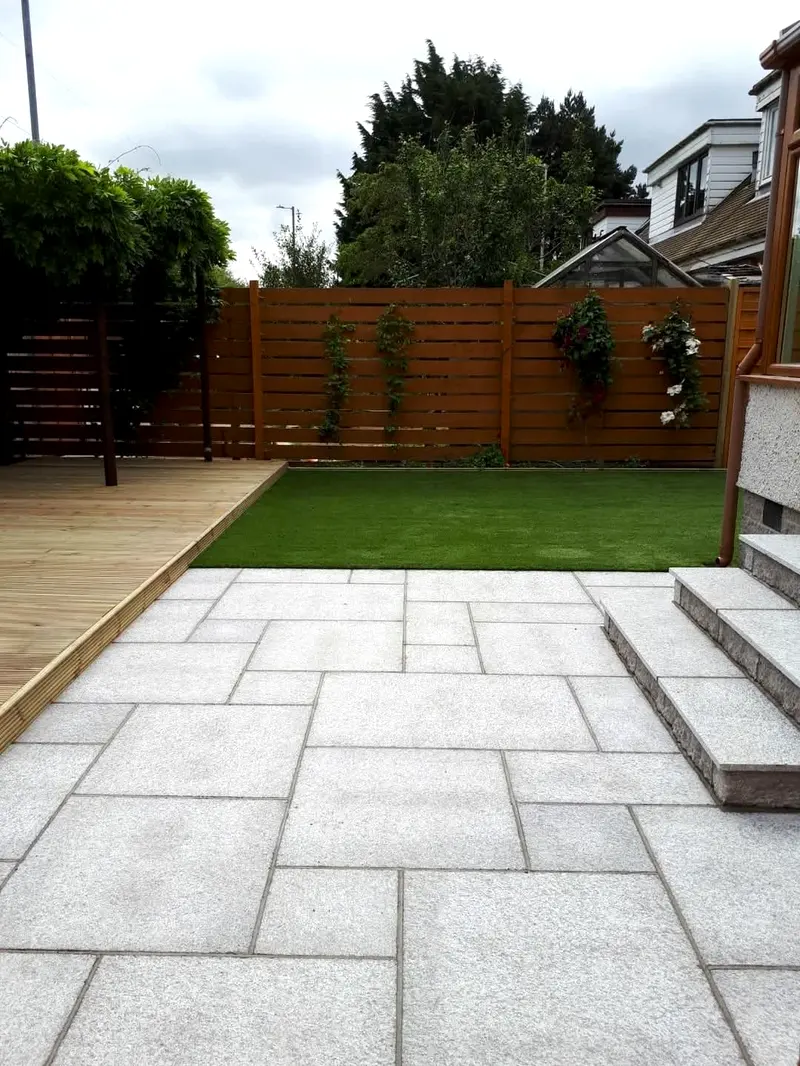
Plan your new fence
Pick your garden, set its size, sides and gates, and see it fenced to scale. You get a rough count of the posts, panels and post mix, ready to send us for a free quote.
Step 1 of 5
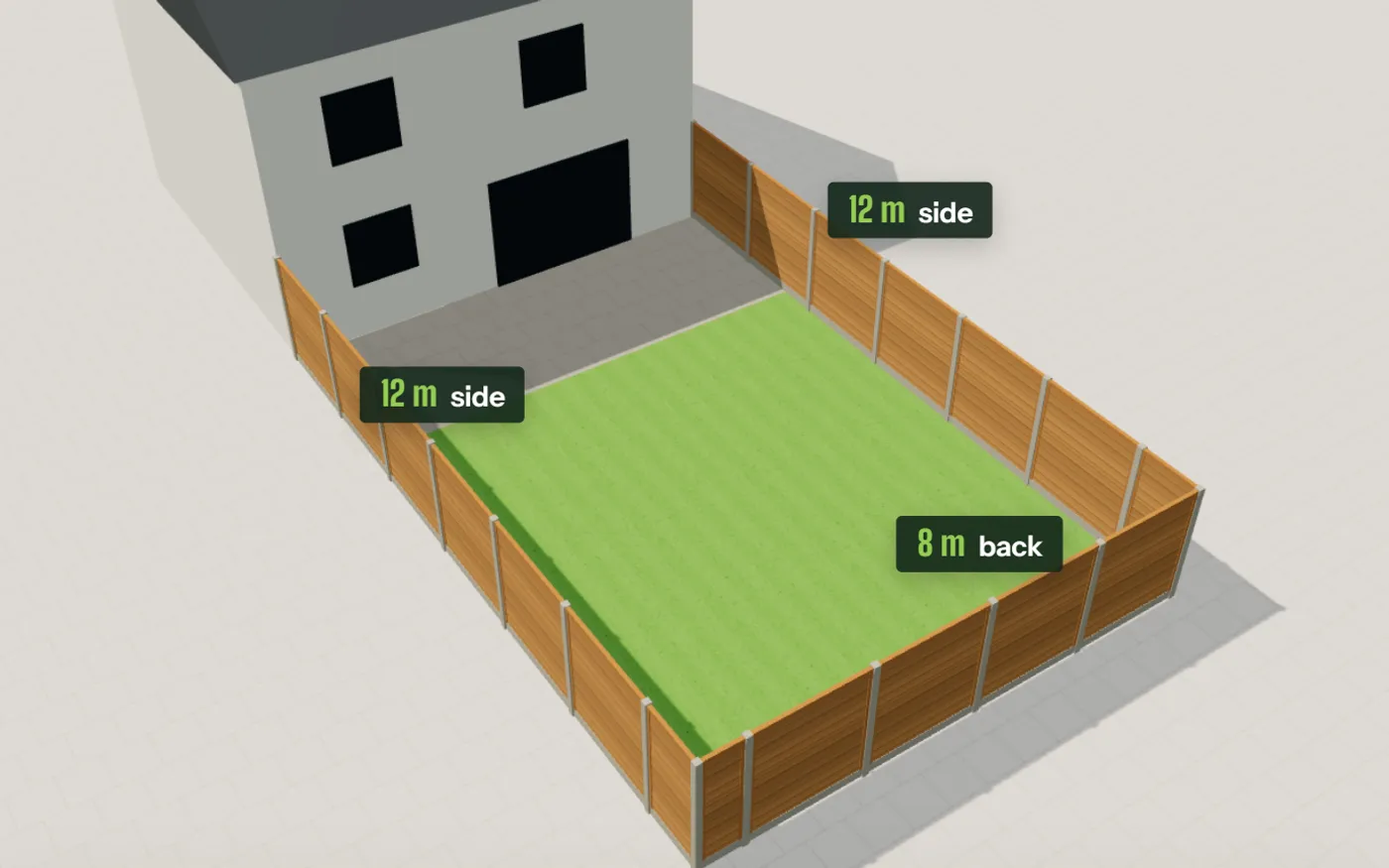
Example garden. Change it to make it yours.
Your rough materials list
- Fence
- 32m in 19 bays
- Posts
- 218 ft long
- Panels
- 196 ft wide
- Boards
- 0not needed
- Rails
- 0not needed
- Gravel boards
- 19one a bay
- Gates
- 0none yet
- Post mix
- 42bags
A rough guide only. We measure up properly on the free site visit.
Send this plan for a free quoteHow the planner works it out
These are the rules of thumb behind every number above. Scroll through them and the model shows each one up close, to scale. Your garden may need something different, which is why we measure up on the free visit.
-
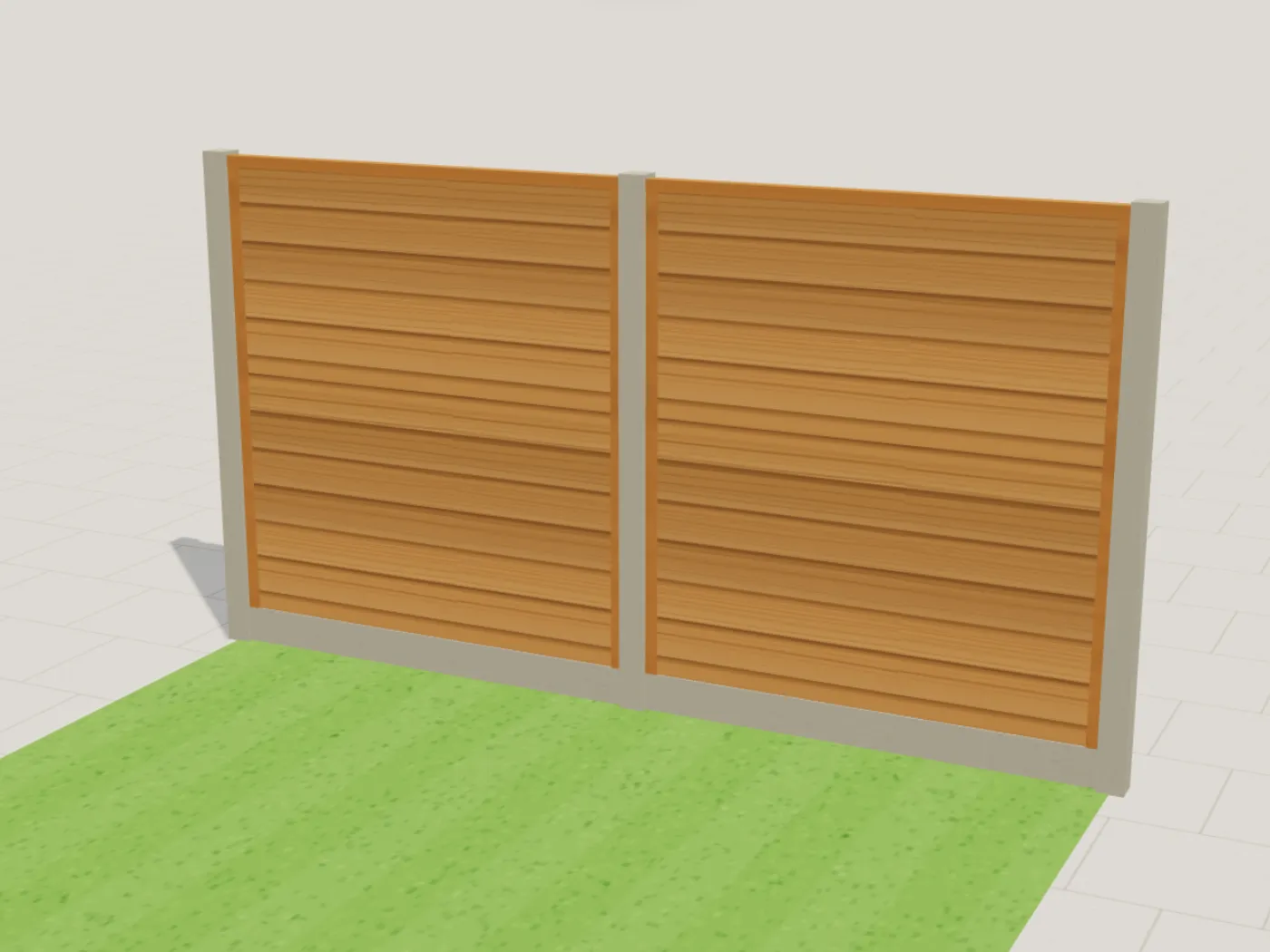
Panels are 6 ft wide
A standard fence panel is 6 ft, or 1.83 m, wide. One panel fills each bay between two posts, and the last bay on a side is cut to fit.
-
Closeboard posts go in about every 2.4 m
Closeboard goes up board by board: rails between the posts, then feather edge boards nailed on at about 10 to the metre.
-
Picket panels and post and rail bays
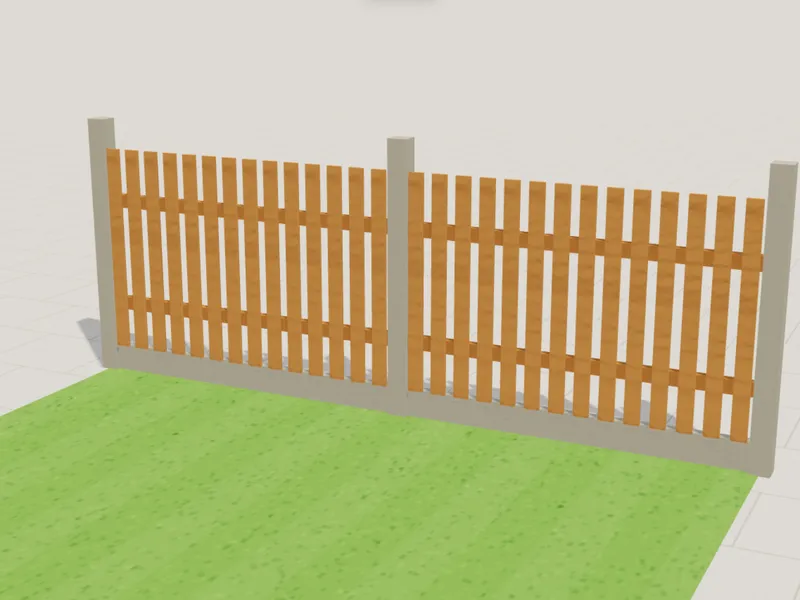
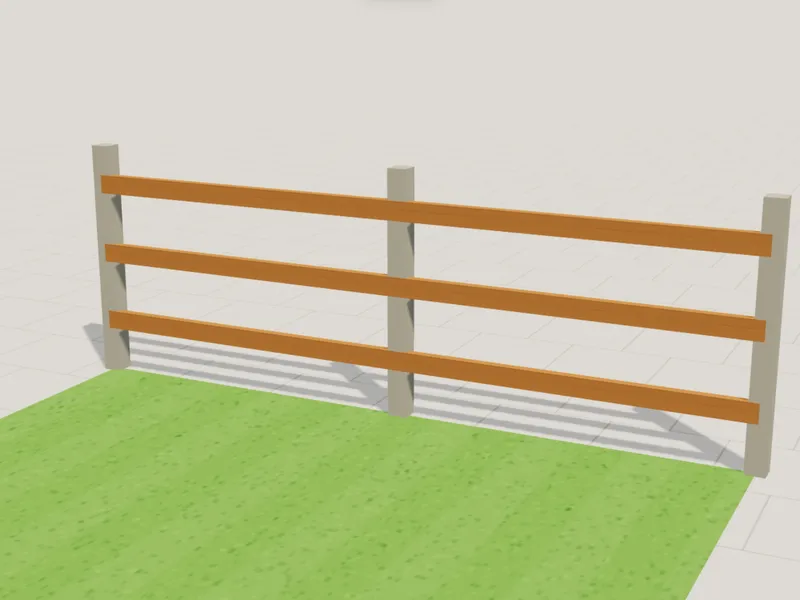
Picket panels are 1.83 m wide, the same as fence panels. Post and rail bays are about 1.8 m, with two rails on a 3 ft fence and three from 4 ft up. Post and rail has no gravel boards.
-
Posts are 2 ft longer than the fence
The extra 2 ft goes in the ground, so a 6 ft fence needs 8 ft posts and a 4 ft fence needs 6 ft posts. Every bay ends on a post, and every gate hangs between two.
-
About 2 bags of post mix for each post
Every post is set in its own hole with post mix packed round it. The planner allows about two bags a post, so 20 posts means about 40 bags.
-
One gravel board for every bay
Gravel boards run along the foot of the fence under each panel, so the timber sits clear of the soil. They come in concrete or timber to go with your posts.
-
Garden gates are about 0.9 m, driveway gates 3 m
A gate takes its width out of the fence on that side and hangs on its own posts. Add as many as you need in the planner and slide them to where they go.
The fences we put up
Closeboard, feather edge, panel, picket and post and rail, on concrete or timber posts, with gates to match. Not sure which suits your garden? We can advise when we come out.
See our fencing work-
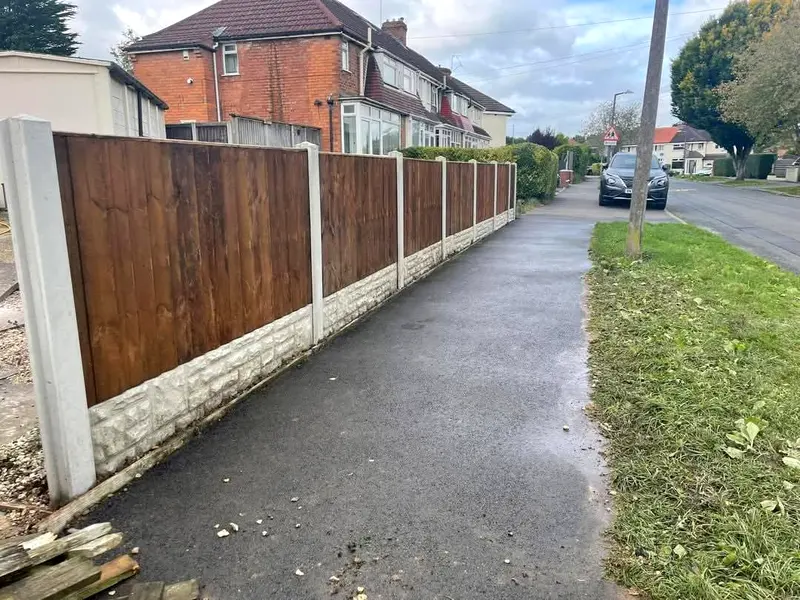
Closeboard
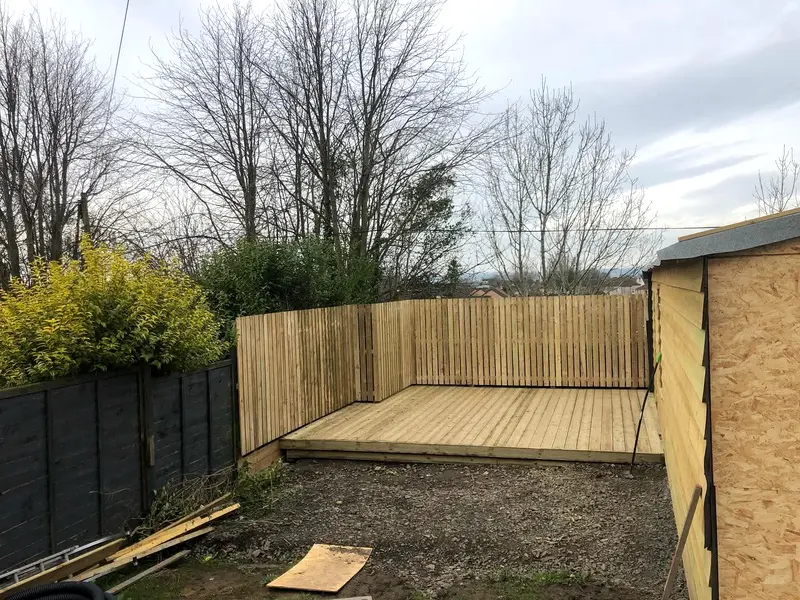
Feather edge boards nailed to rails between the posts, for a solid, private fence that goes up board by board.
Plan a closeboard fence -
Feather edge
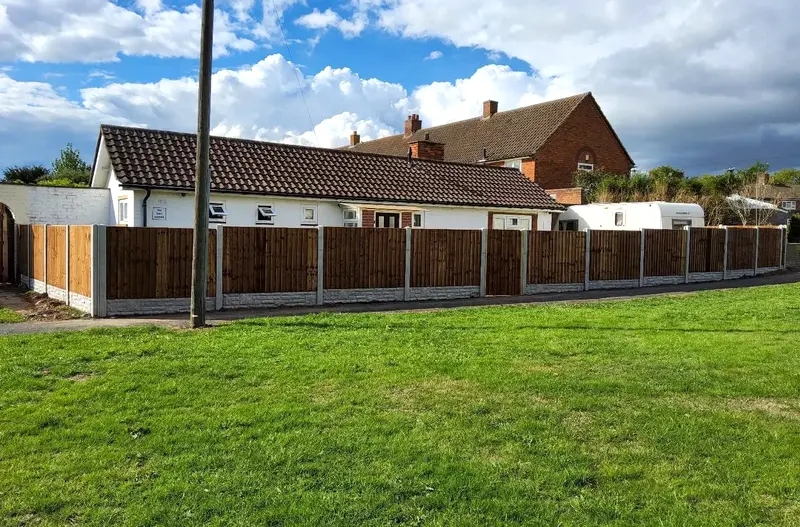
Overlapping feather edge boards for a tall, private boundary.
Plan a feather edge fence -
-
Scale model
Picket
A low, open fence of pickets on two rails, for front gardens and borders.
Plan a picket fence -
Scale model
Post and rail
Two or three rails between posts to mark a boundary without blocking the view.
Plan a post and rail fence
Get a free quote
Tell us what you have in mind and we will get back to you to arrange a free, no-obligation visit. Prefer to talk? Call or WhatsApp us.