
Your new build, from the drawings to the keys
We build new houses and business premises across Greater London. One builder looks after the whole job, from the empty plot to handover, and you know what happens on site each week.
- Homes and businessesA new house or new premises
- All of Greater London32 boroughs and the City
- Week-by-week programmeAgreed before work starts
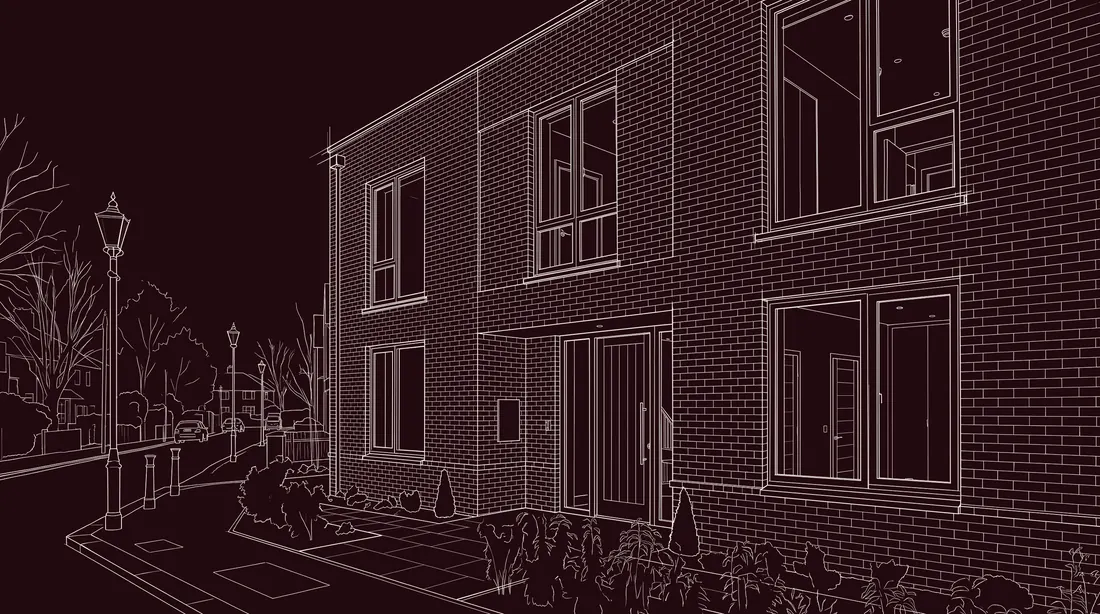
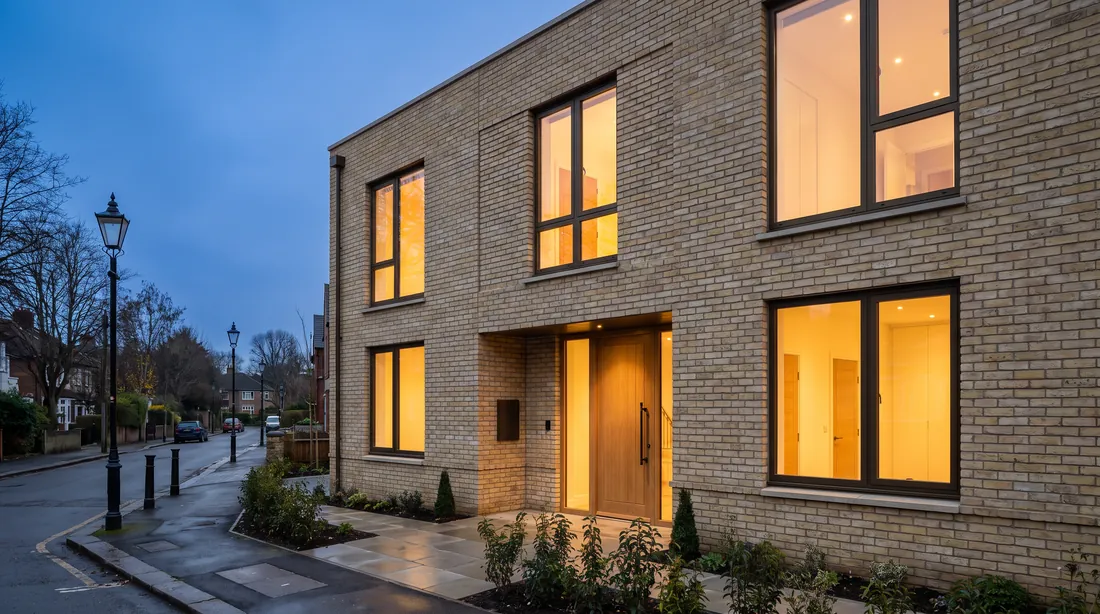
A new home, or a new building for your business
We look after a new build from the empty plot to the day you get the keys: groundworks, foundations, brickwork, roof, windows, services and every finish, all under one builder and one programme.
For homeowners
A new family house on your own plot, or a replacement house where the old one comes down. One builder answers for the whole job, and you can plan your move around dates we agree at the start.
For businesses
New premises built around the day you need to open. We set the programme with you, keep the site safe and tidy, and tell you as each stage is finished, so you can plan staff, stock and fit-out.
- Groundworks to handover
- Built to your drawings and the Building Regulations
- One programme, agreed before we start
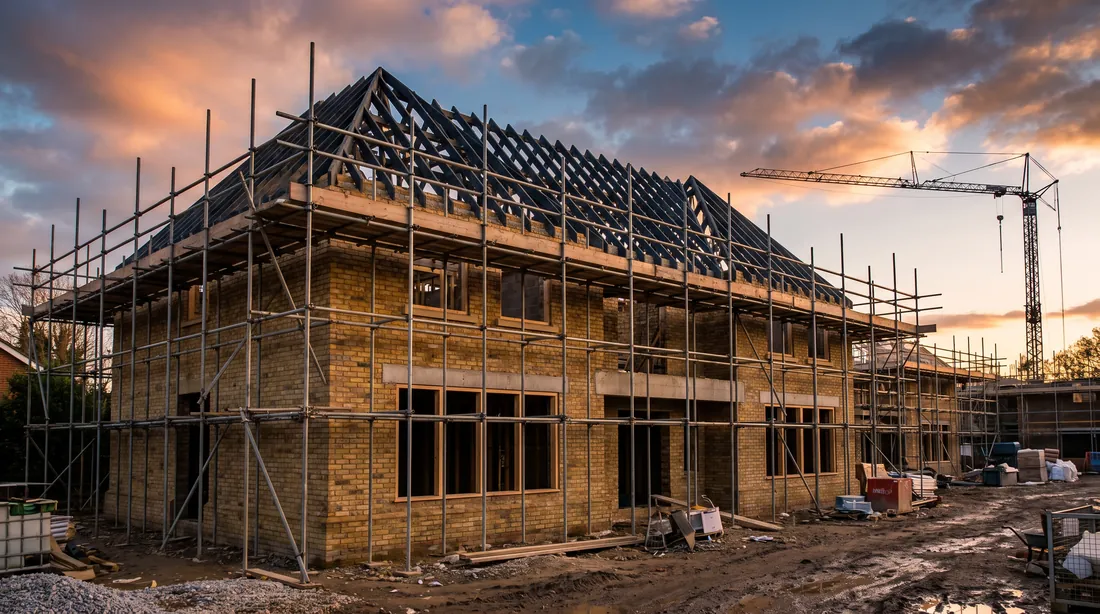
A new house, roof trusses on
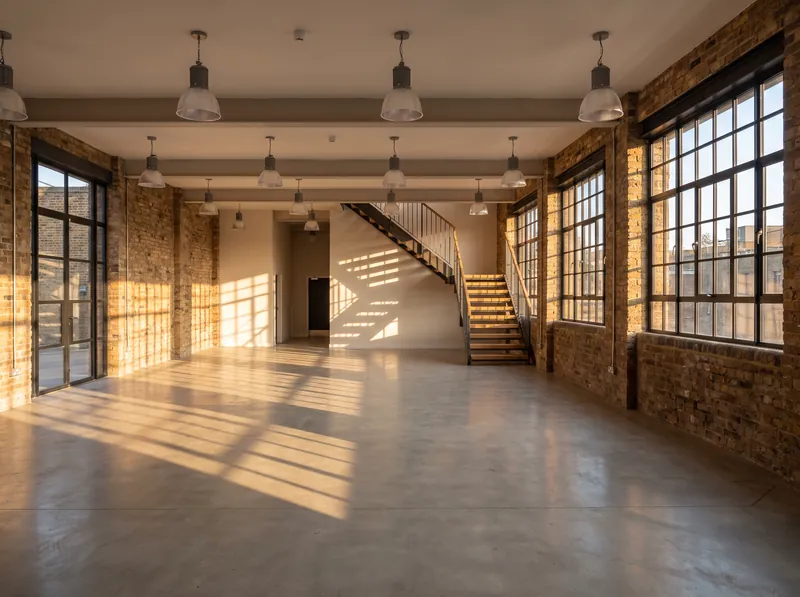
New premises, ready for the fit-out
How we build your house, stage by stage
Example programme A two-storey family house, about 36 weeks on site. Your weeks depend on the design, the ground and the planning conditions.
-
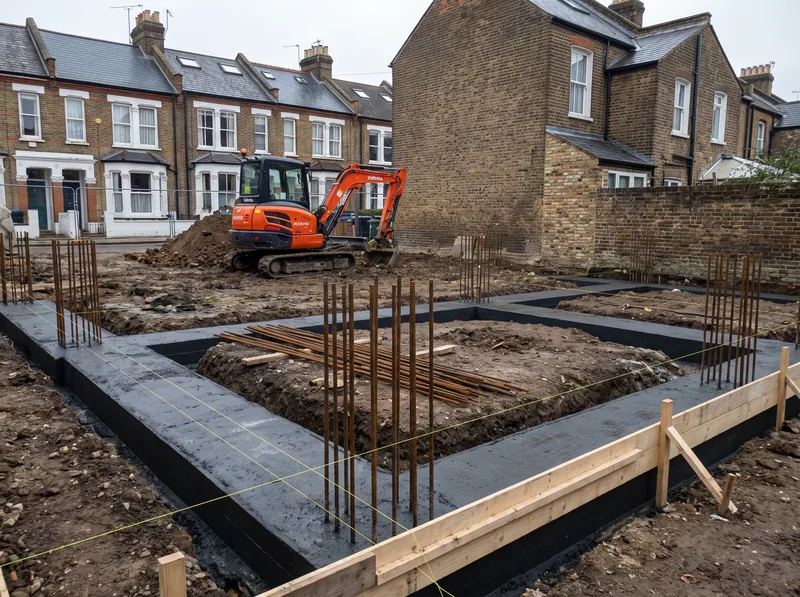
Footings and foundations
Example Weeks 1 to 7
We set up the site with hoarding and welfare, then dig the trenches to the depth on the engineer's drawings. Building control check them before the concrete goes in. The walls come up to ground level and the floor slab goes down.
-
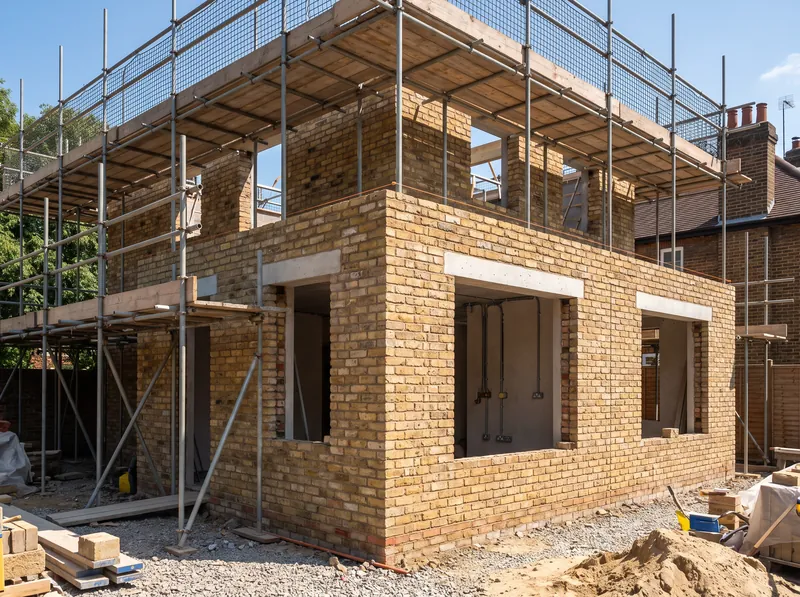
Walls and floors
Example Weeks 6 to 15
Bricklayers bring the walls up course by course, with the scaffold rising alongside them. Lintels go over every opening, the first floor goes in, and the walls carry on up to the eaves.
-
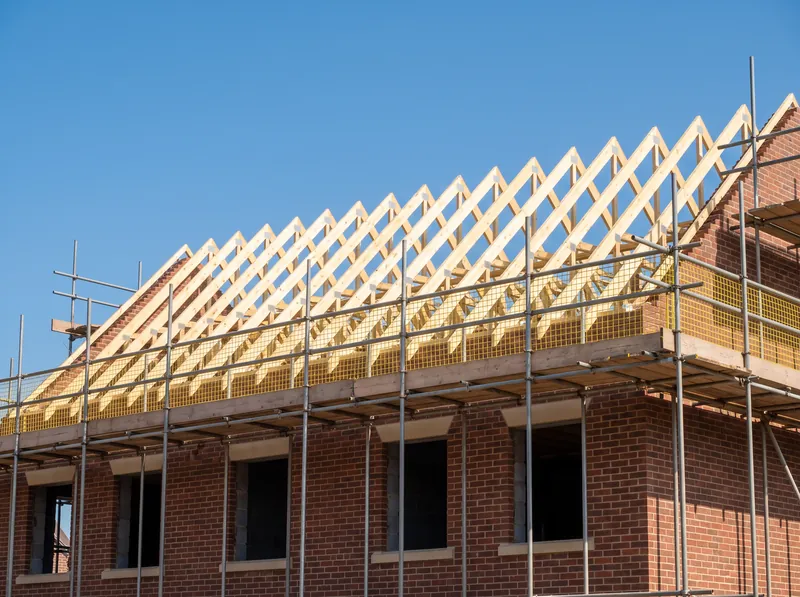
Roof, windows and doors
Example Weeks 14 to 21
The roof structure goes on, then the membrane, battens and tiles or slates. Once the windows and doors are fitted the house is weathertight, and the work moves inside.
-
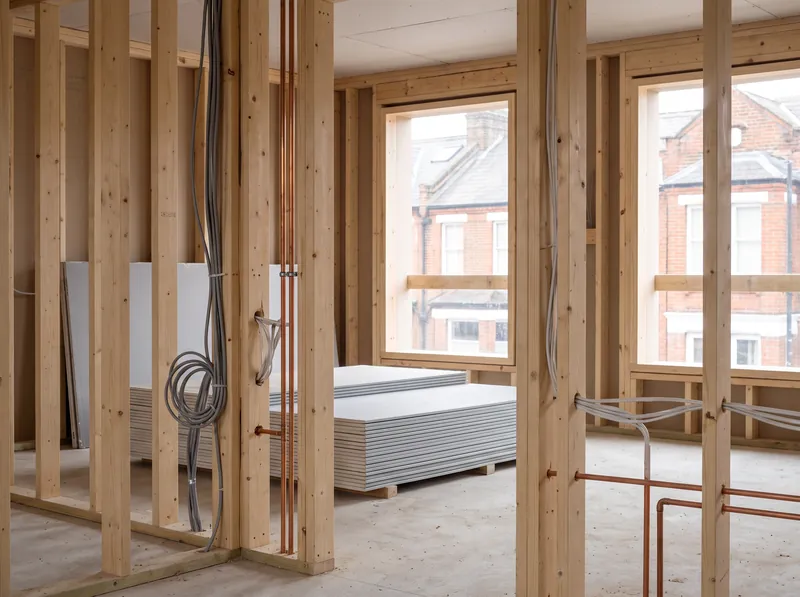
First and second fix
Example Weeks 20 to 32
Electricians and plumbers run the cables and pipes through the walls and floors. The plasterers board and skim, then second fix brings in the sockets, radiators, kitchen and bathrooms.
-
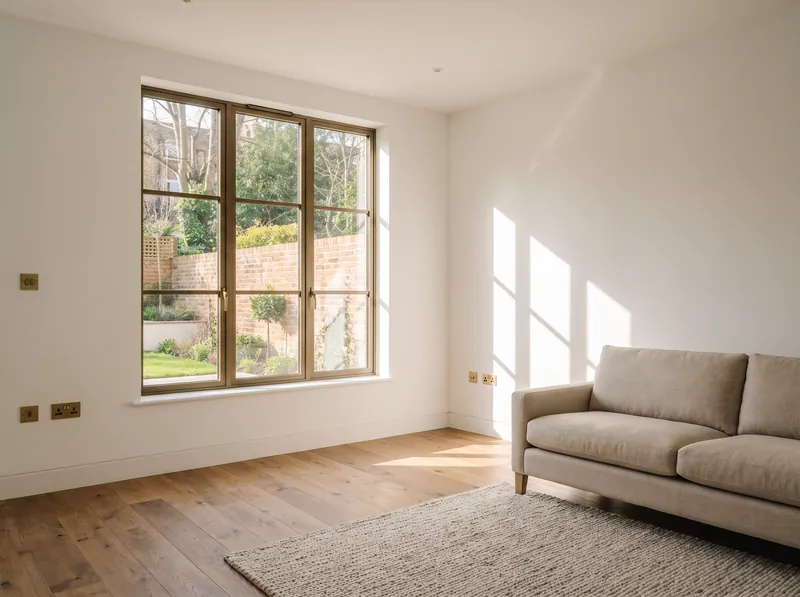
Finishes and handover
Example Weeks 31 to 36
Decorating, flooring and a snagging walk round with you. Building control make their final inspection and issue the completion certificate, and we hand you the keys.
What you get when we build for you
01 / 06
-
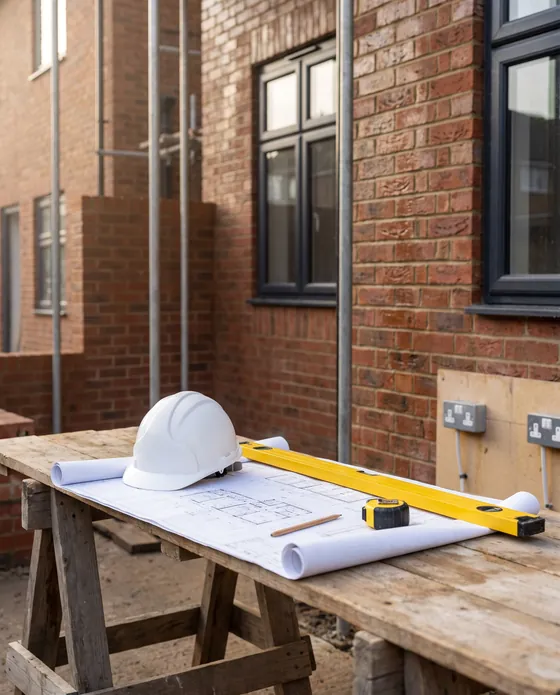
One person to deal with
You have one contact at Centurion from the first visit to handover. They know where every trade is up to, so one call gets you an answer.
-
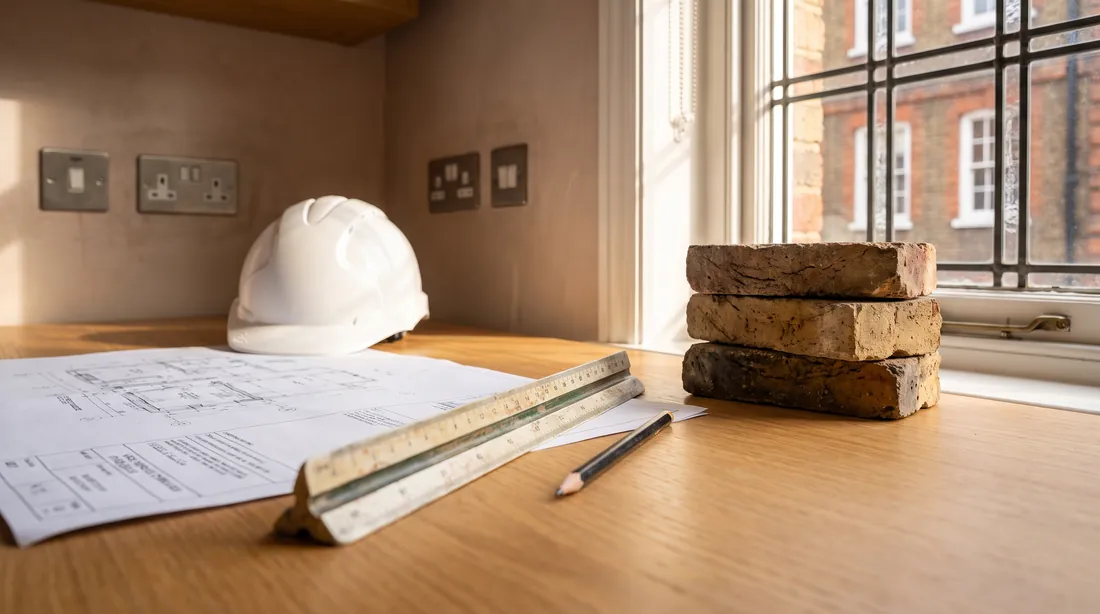
A programme agreed before we start
We set out the build week by week and go through it with you before work begins, so you can plan your move and your money around real dates.
-
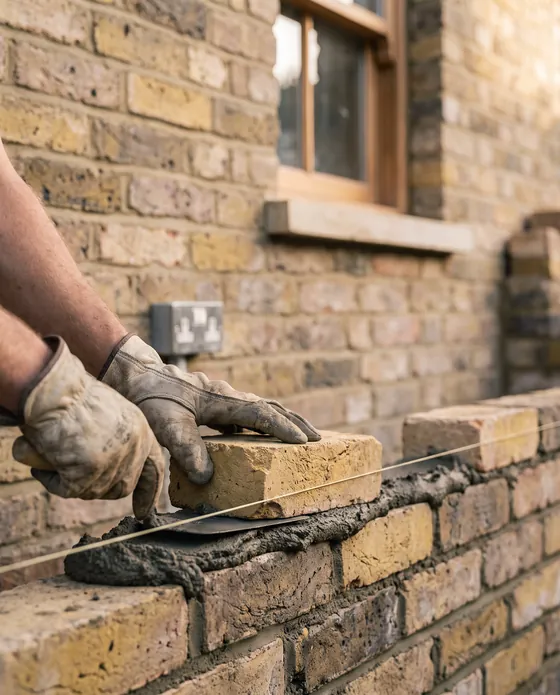
The right trade for each stage
Groundworkers, bricklayers, roofers, electricians, plumbers, plasterers and joiners, each brought in for their stage and checked before the next one starts.
-
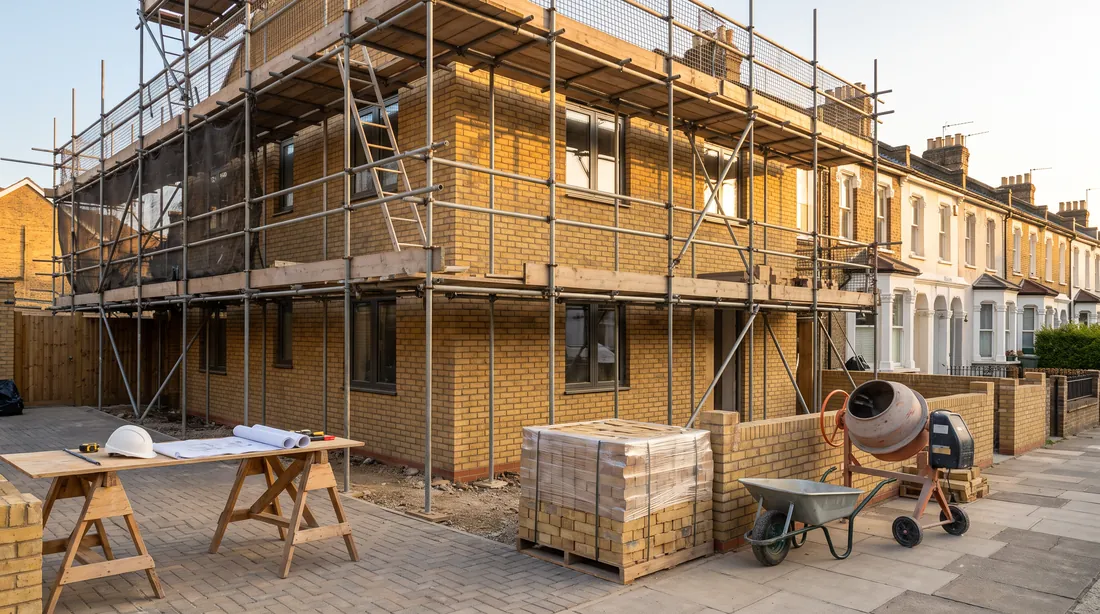
A tidy, safe site
Hoarding round the plot, materials stacked and covered, the pavement kept clear and the site swept at the end of every day.
-
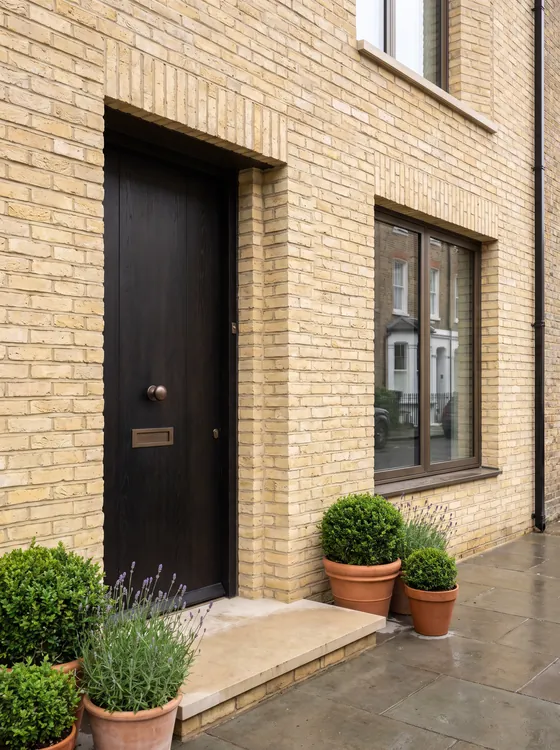
Built to the drawings and the regulations
We build what your architect drew and the council approved, to the Building Regulations, with building control inspecting at the key stages.
-
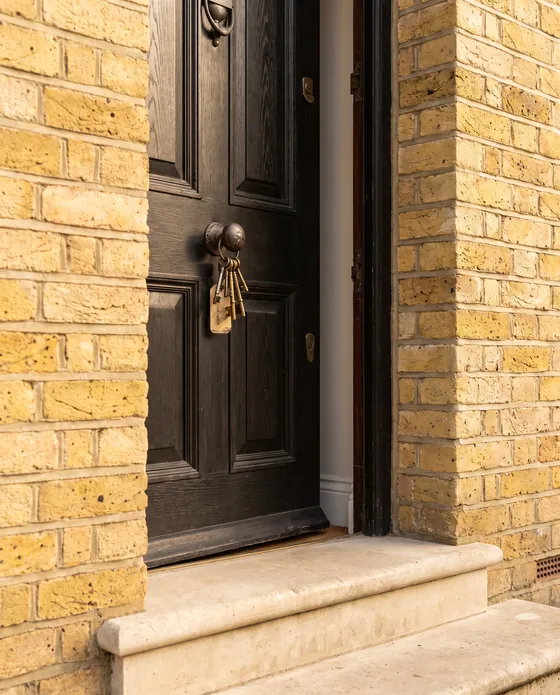
Updates as each stage finishes
When a stage is done we tell you, show you, and confirm what comes next and when. You will not need to chase us for news.
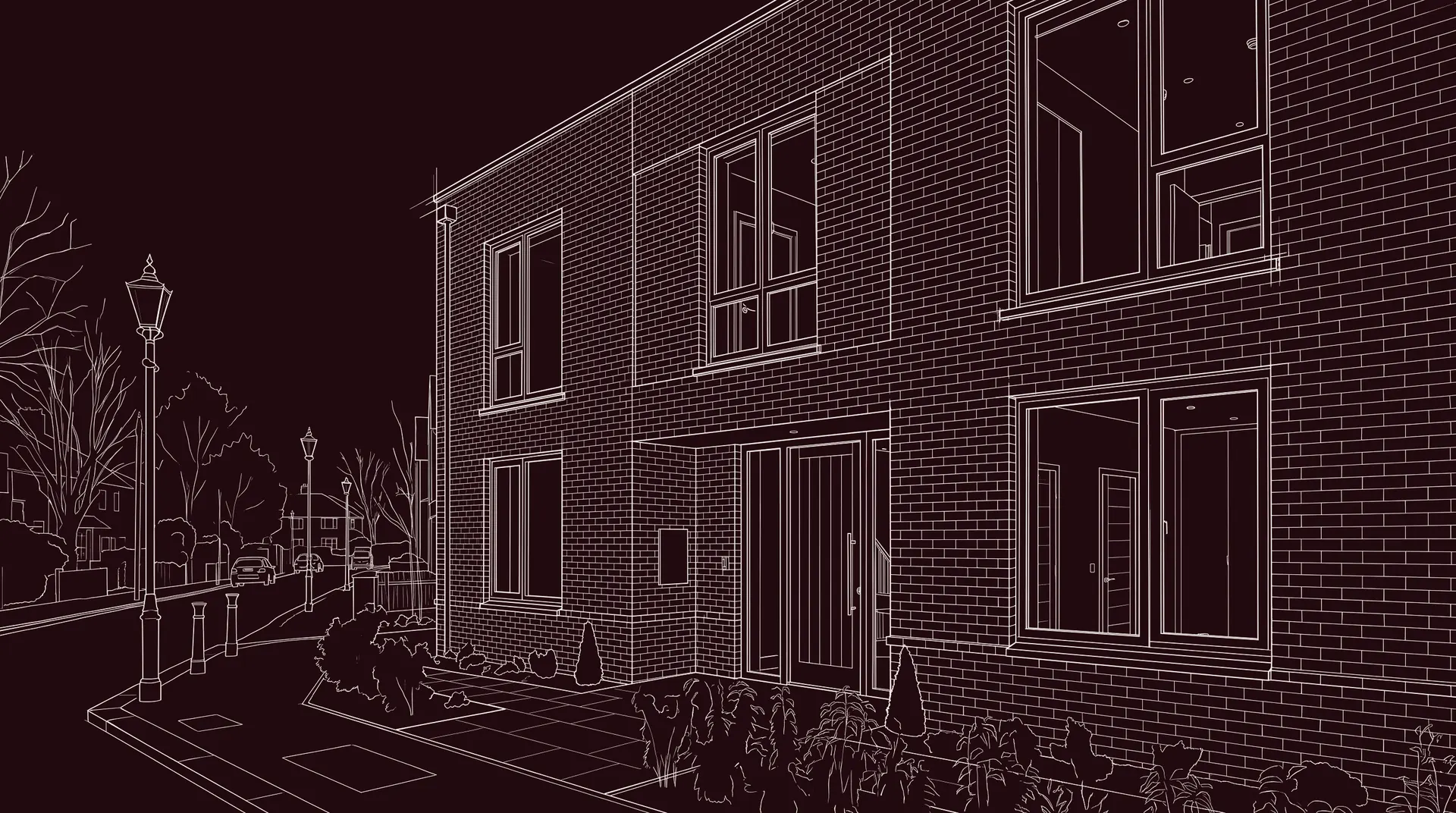
How long will your new build take?
Choose a new build in the build planner, set the size and your start month, and see each stage laid out week by week with an example finish date. You can send the plan with your enquiry.
36 weeks
on site for a two-storey house Example figures
Questions people ask before a new build
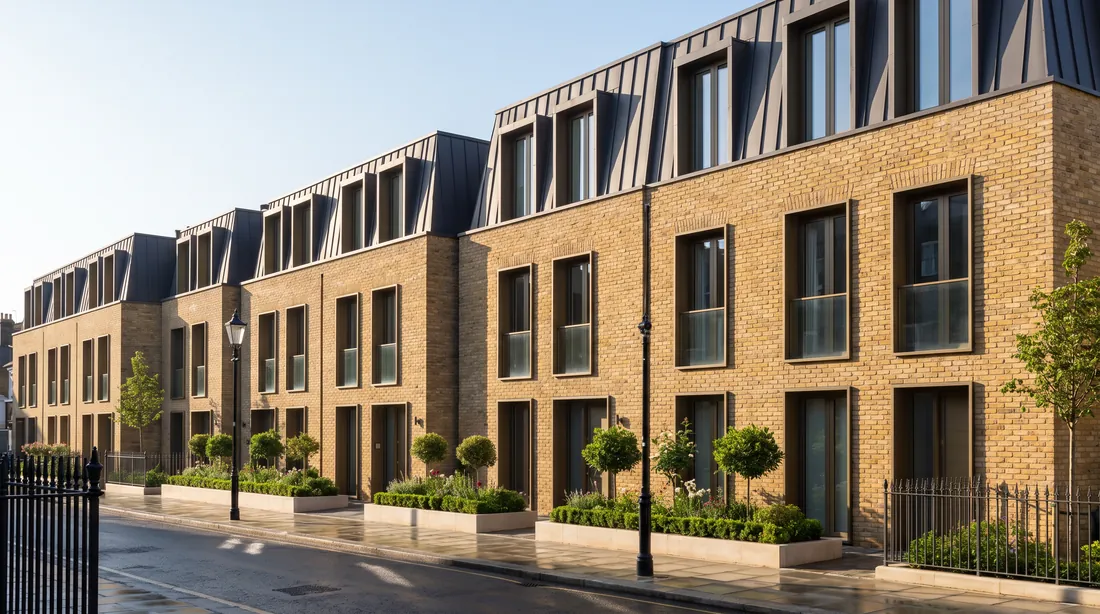
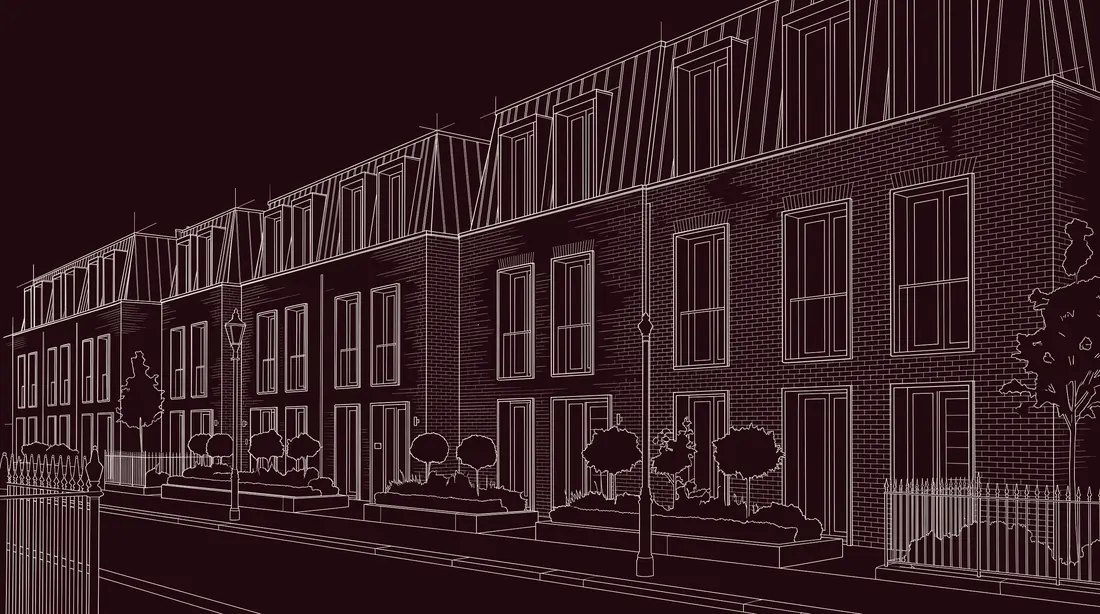
From the drawing to the street
Yes. A new house needs full planning permission from your local council, which in London means your borough. If the plot is in a conservation area or next to a listed building, expect the council to look harder at the design and the materials.
We build to the approved drawings and to any conditions the council attaches to the permission, such as samples of brick or a construction management plan.
Every new building has to meet the Building Regulations: structure, fire safety, insulation, ventilation, drainage, access and more. A building control inspector, from the council or an approved inspector, checks the work at set stages such as the foundations, the drainage and completion.
At the end they issue a completion certificate. Keep it safe: you will need it when you sell or remortgage.
If you build on or up to a wall you share with a neighbour, or dig foundations within 3 metres of their building and deeper than its footings, the Party Wall etc. Act 1996 says you must serve them notice before work starts. Some deeper digs within 6 metres count too.
If they agree in writing, work can go ahead. If they do not, surveyors draw up a party wall award. Allow a couple of months for this before your start date.
It depends on the size of the house, the ground, the design and the weather. As a guide, our example programme for a two-storey family house comes to about 36 weeks on site, once planning is in place.
The build planner gives you example figures for your own project, stage by stage, with a finish month.
If your new house is going up on a plot next door or down the road, yes. We keep the site behind hoarding, tidy and safe, and agree working hours and delivery times with you before we start.
If we are replacing the house you live in now, you will need somewhere else to stay from the day it comes down to handover. The programme tells you how many weeks to plan for.
We walk round the house with you and note anything that needs putting right, then put it right. Building control make their final inspection and issue the completion certificate.
You get the keys, that certificate, and the test certificates and manuals for the heating, the electrics and the appliances, so you know how everything in your new home works.
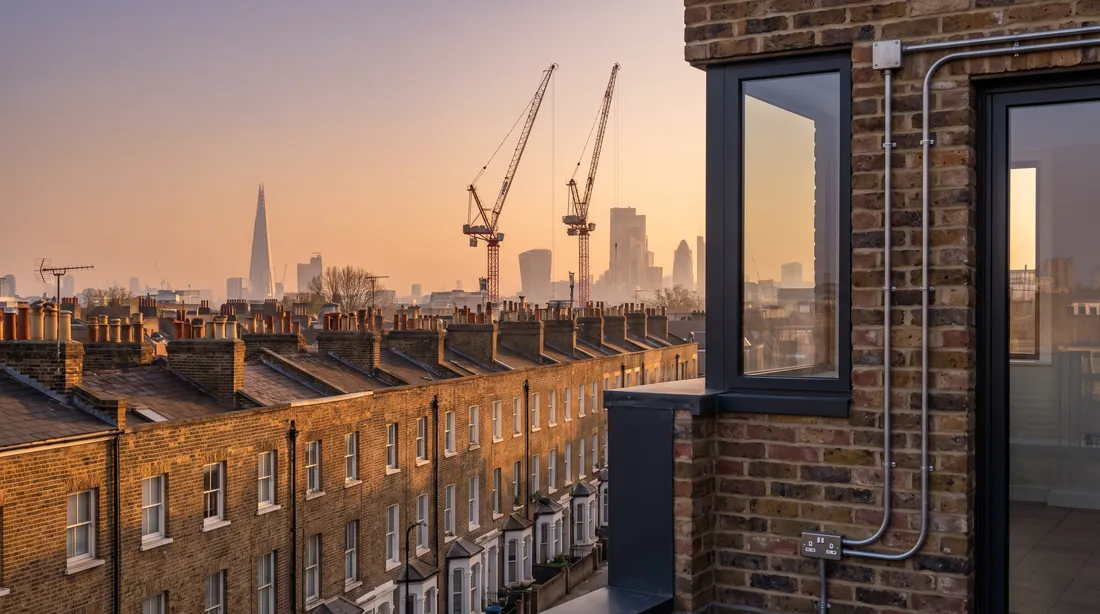
Tell us about your plot
Send us the address, what you want to build and roughly when you want to start. We will come back to you to arrange a visit, or call you if you prefer.