

Party wall surveyors for London and Essex
If you're planning work
Planning a loft conversion, an extension or a basement? We serve the right notices on your neighbours, deal with their surveyor or act as the agreed surveyor for you both, and get the award agreed so your builder can start.
If your neighbour is building
Had a party wall notice through the door? You don't have to sign it. We act for you, record the condition of your home before work starts and make sure the award protects it. Your neighbour normally pays our reasonable fees.
- 2 monthsnotice for work to the party wall
- 1 monthfor digging near next door's foundations
- 14 daysfor your neighbour to reply
- Awardsets out what can be built, and how
Work that usually needs a party wall notice
The Party Wall etc. Act 1996 covers three kinds of work: work to a wall you share, a new wall on the boundary line, and digging close to next door's foundations. These are the jobs we see most.
-
Loft conversion
New steels usually sit in the party wall to carry the new floor and the dormer.
Party structure2 months
-
Rear or side extension
New foundations within 3 metres of next door's, and dug deeper than theirs.
Excavation1 month
-
Basement
Digging within 6 metres of next door, which often means work to the party wall too.
Excavation1 month
-
Removing a chimney breast
Cutting away a breast that is built into the wall you share, and supporting the stack above it.
Party structure2 months
-
A new wall on the boundary
Building a garden wall or the side of an extension up to, or astride, the line between you.
Line of junction1 month
-
Work on a shared wall
Damp-proofing, raising, thickening or rebuilding a wall you share with next door.
Party structure2 months
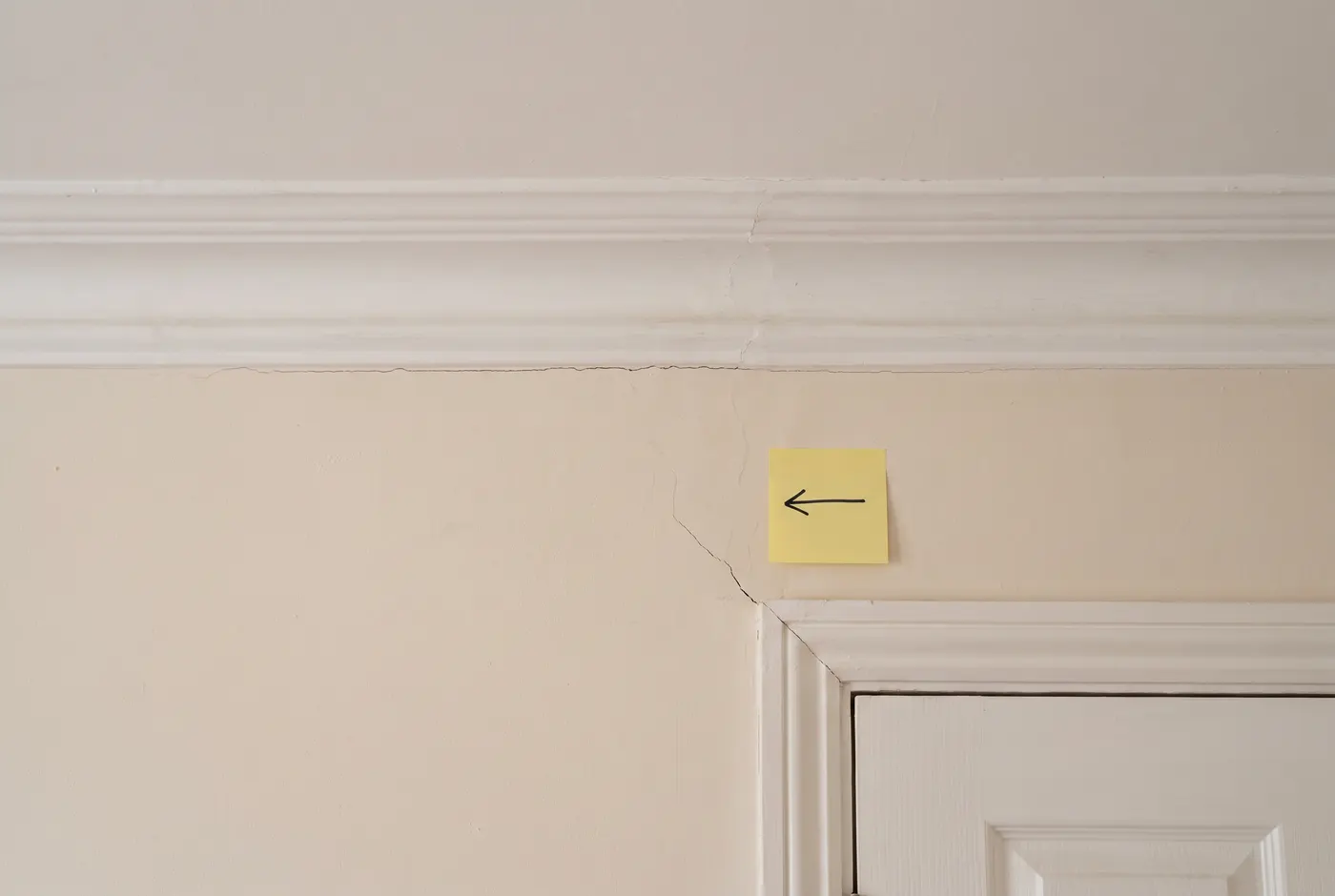
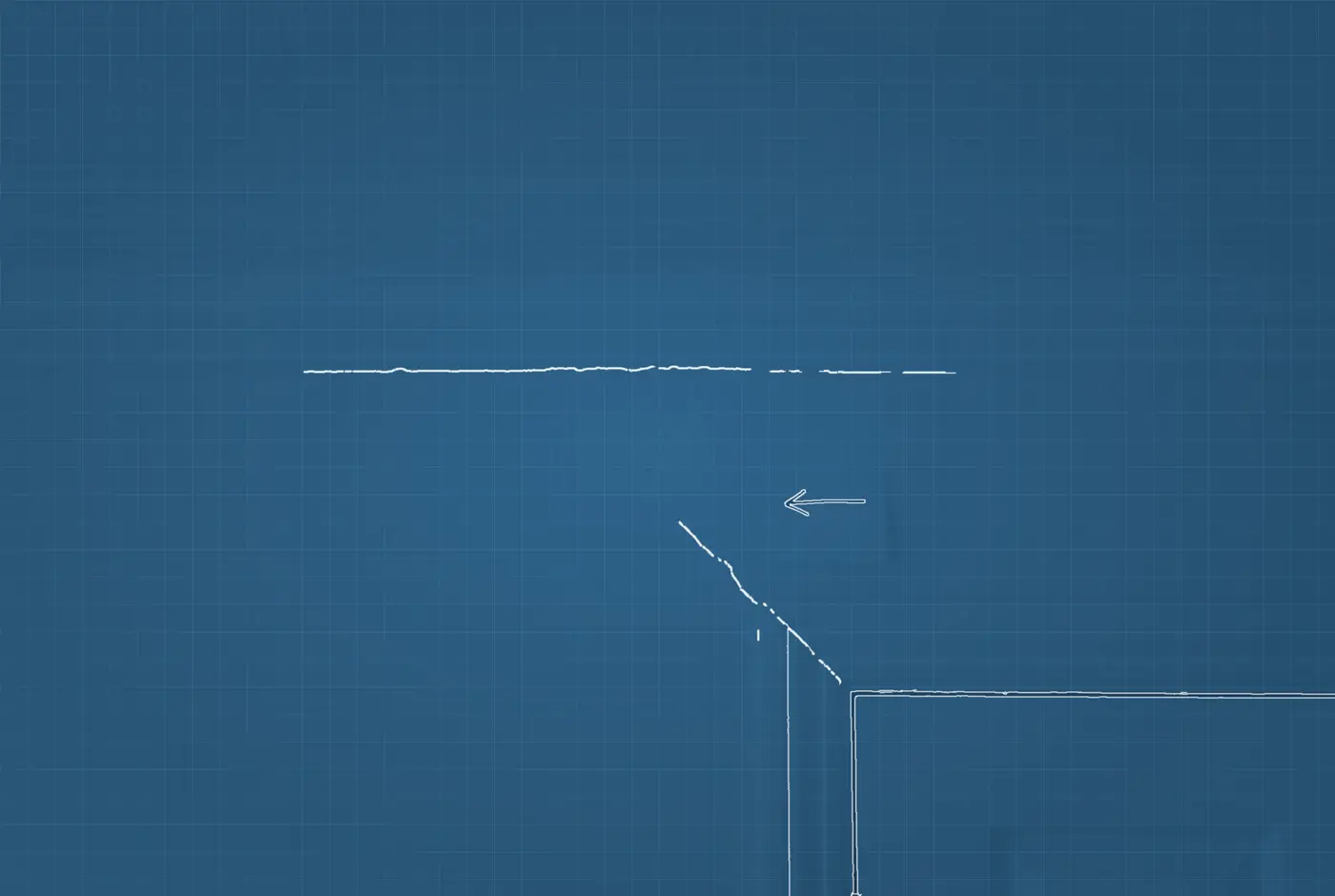
A record of next door before work starts
A schedule of condition is a written and photographed record of the neighbour's side of the party wall, taken before any work begins. Both owners get a copy.
- Every room next to the wall, photographed and described
- Existing cracks, stains and loose plaster marked and measured
- Checked by both surveyors and attached to the award
If a new crack appears while the work is going on, you compare it with the schedule. That settles most arguments about damage, whichever side of the wall you're on.
From notice to finished work, step by step
The Act sets the time limits. This is the order things happen in once surveyors are involved. Pick a step to follow it along the line.
-
Day 0
Notice served
The notice goes to your neighbour with a description of the work, and drawings where they help.
-
Day 14
Reply due
Your neighbour consents in writing or dissents. If they say nothing, the Act treats it as a dispute.
-
From day 14
Surveyors appointed
One agreed surveyor for you both, or one surveyor each.
-
Before work
Schedule of condition
Next door's side of the wall is photographed and noted, room by room.
-
Before work
Award served
The surveyors sign the award: what you can build, how, when and who pays.
-
Month 1 or 2
Work can start
Once the notice period has run out and any award has been served.
-
When work ends
Final inspection
The surveyor checks next door against the schedule of condition.
Not sure if your work needs a notice?
Pick what you're planning and when you'd like to start. The notice checker tells you which notices apply and the date to serve them.
Use the notice checkerWhat are you planning?
You'll usually need
Party structure notice
At least 2 months before work starts.
Serve it at least 2 months before the day work starts.
Your party wall questions
Usually the building owner, the one having the work done. The Act says they pay the reasonable costs of the award, and that includes the surveyor acting for the neighbour. The award can split costs differently, for example when a neighbour asks for something beyond what the work needs.
No. The Act gives you the right to do the work, as long as you serve notice and follow the award. Your neighbour can dissent, appoint a surveyor and make sure the award protects their home, which can shape how and when the work is done. Planning permission and building regulations are separate.
If you're the neighbour, ask the owner to stop and serve notice. Where they refuse, the courts can order work to stop. If you're the one building, stop work on the wall and get in touch: notice can still be served and an award agreed, though the wall may have to wait for the notice period.
One surveyor appointed by both owners, who acts fairly between you. It usually costs less and moves faster than two surveyors. Either owner can still choose a surveyor of their own instead.
Usually yes. In most terraced and semi-detached houses the new steels go into the party wall, which needs a party structure notice. If your neighbour consents in writing, no surveyors are needed, although a schedule of condition is still worth having.
The Act sets the minimums: 2 months' notice for work to the party wall, 1 month for excavation or a new wall on the line, and 14 days for your neighbour to reply. Where surveyors are appointed, the award has to be served before that work starts, so serve notice as early as you can.
Tell us about the work
Planning work, or worried about what next door is planning? Send us the address and a few lines about the job. If you've had a notice, tell us the date on it. We act for homeowners across London and Essex.
- You send your enquiry with the address and any notice you've had.
- We get in touch to explain where you stand and what the Act asks of you.
- We act for you through the notices, the schedule of condition and the award.