

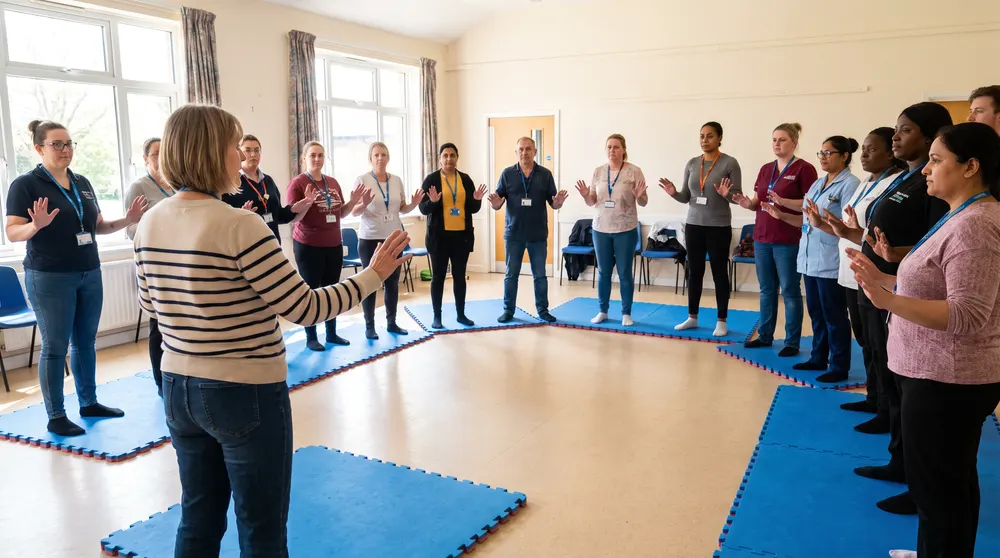
Help your staff stay calm and keep everyone safer
Behaviour support training for teams in care, education, forensic and healthcare settings, with technique videos and materials to keep skills fresh long after the course.
Training for your whole team
Start with the core course, keep skills sharp with refreshers, and train your own people to deliver it.
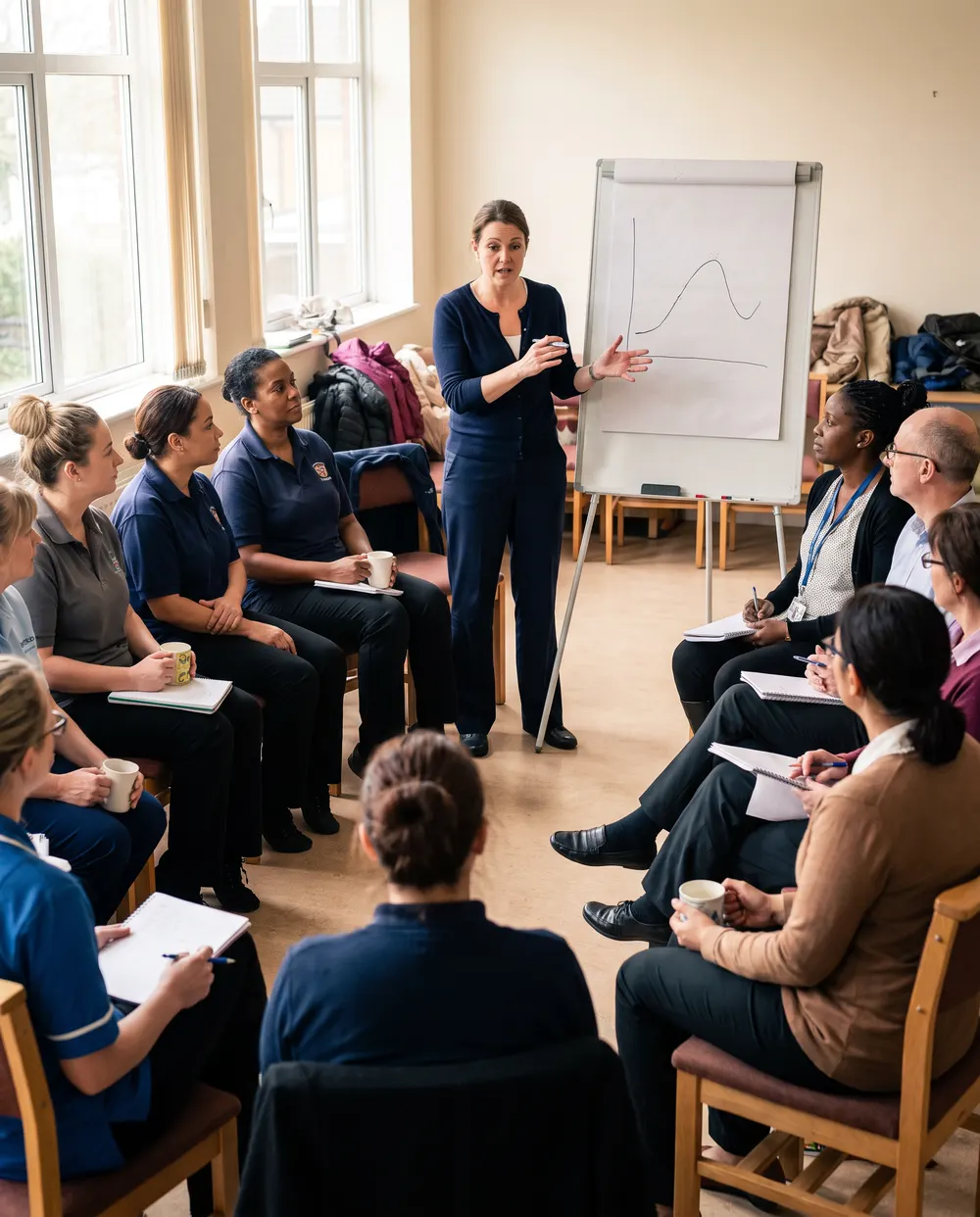
Behaviour support training
Understand behaviour, spot the early signs and calm things down safely.
Find out more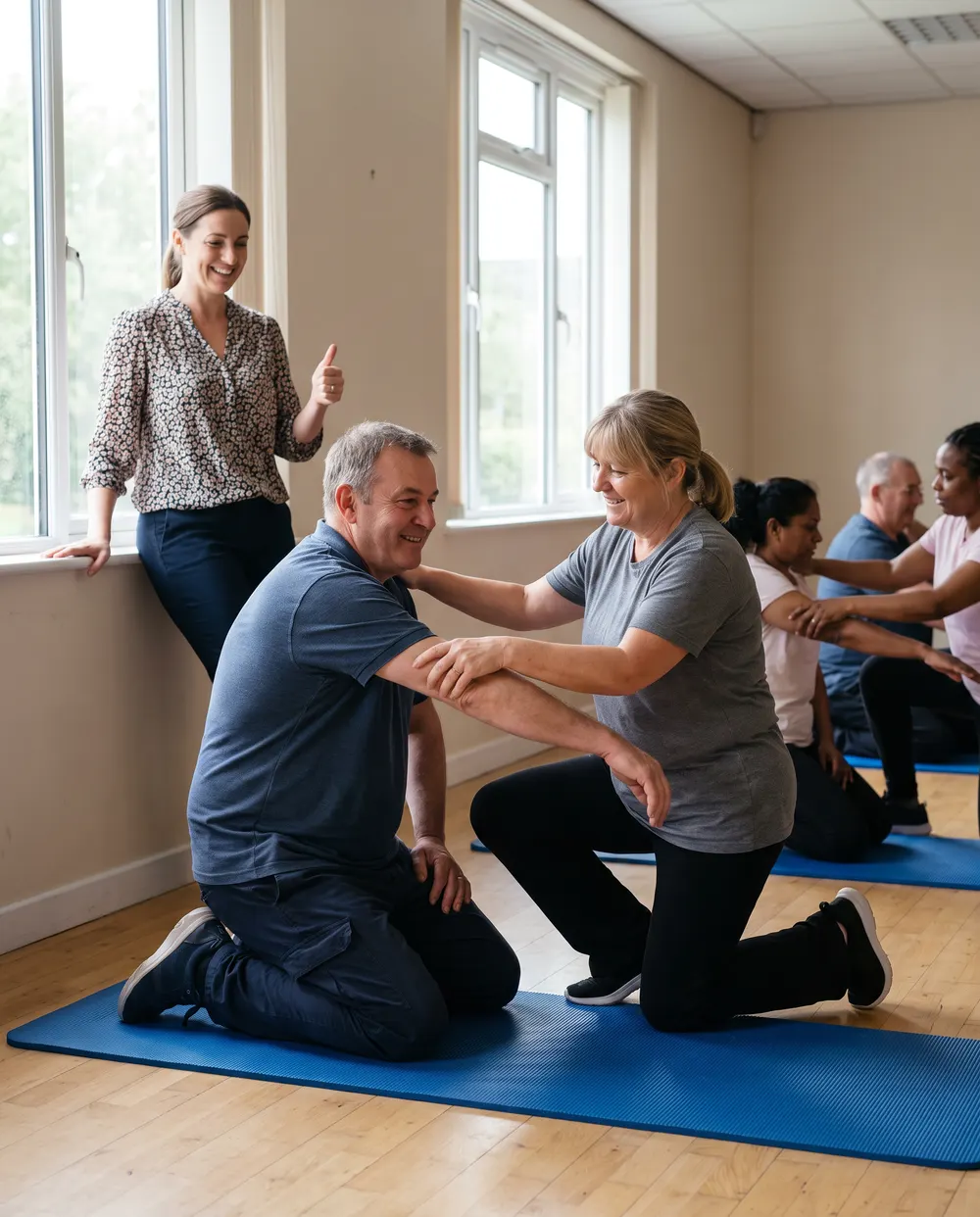
Refresher training
Practise the techniques again and bring your team's knowledge up to date.
Find out more
Become a practitioner
Train your own staff to deliver EASE Approach courses in your service.
Find out more
Training planner
Work out how many courses and refreshers your team needs this year.
Plan your trainingWhat our name stands for
Effective
Practical skills your staff can use on their next shift.
Approachesfor
Built around the people you support, with behaviour understood as a way of communicating.
Safer
The aim is fewer incidents and injuries, and less need for restrictive practice.
Environments
Care homes, classrooms, wards and secure services, each with pressures of its own.
How a difficult moment rises and settles
Most incidents follow the same curve. Our training gives your staff something to do at every point on it, so they can step in earlier and more calmly.
Calm
The person is settled and going about their day.
What your staff learnGet to know what calm looks like for each person, and what helps them stay there.
- CalmThe person is settled and going about their day.Get to know what calm looks like for each person, and what helps them stay there.
- TriggerSomething changes: a noise, a demand, a memory, pain.Spot the early signs and change what you can before it builds.
- EscalationA raised voice, pacing, refusing, or going very quiet.Lower the temperature with your voice, your stance and the space you give. Offer real choices.
- CrisisThe person may be a risk to themselves or to others.Keep everyone as safe as you can with the least restrictive response, and physical intervention only as a last resort.
- RecoveryThings calm down, but the person can flare up again quickly.Give time and space, keep demands low and stay calm yourself.
- Reflect and repairEveryone is tired and shaken, staff included.Debrief, record what happened, rebuild trust and update the support plan.
Training that fits where you work
A ward and a classroom need different things. We shape every course around your setting, the people you support and the risks your staff face.
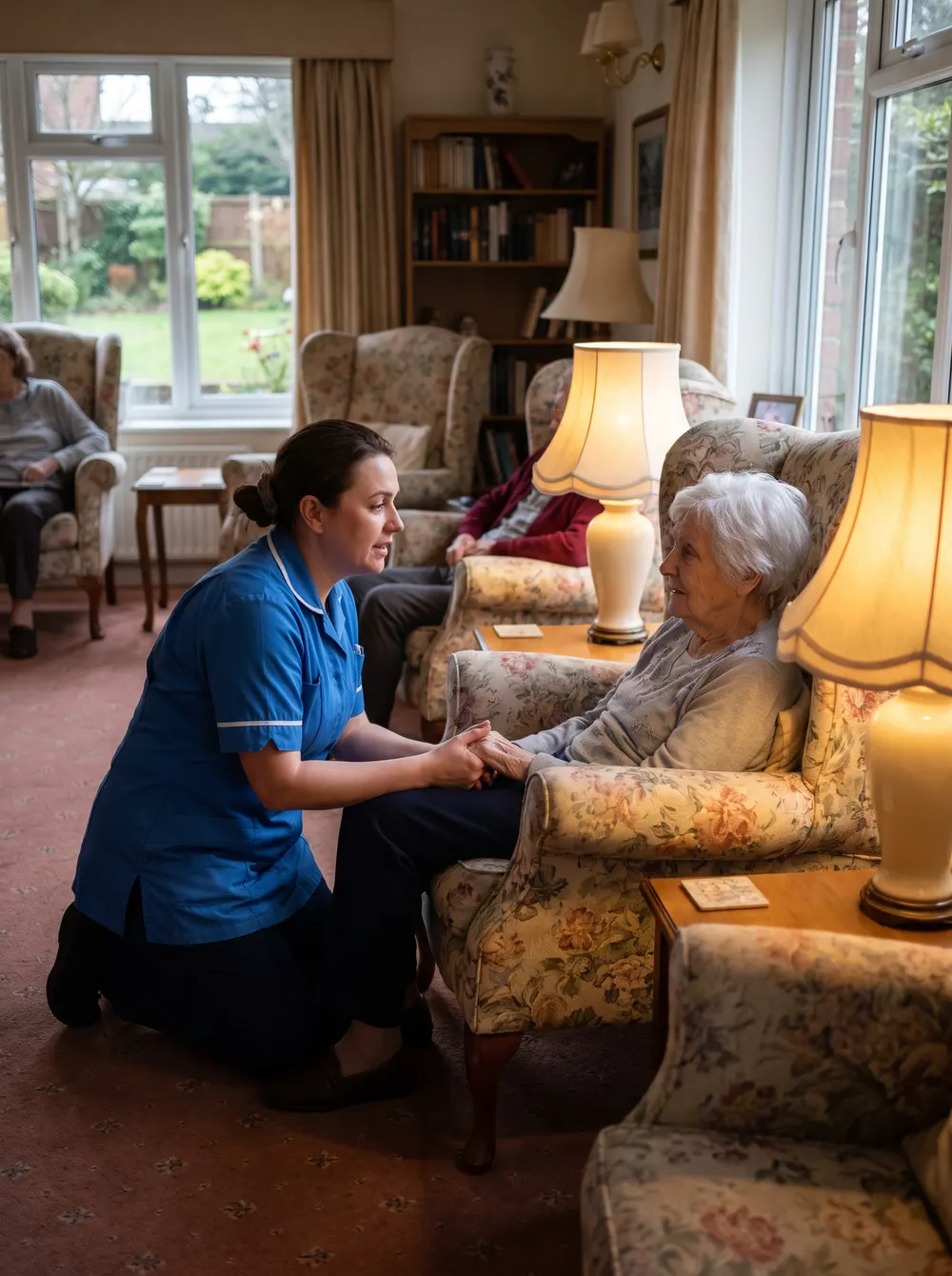
Care
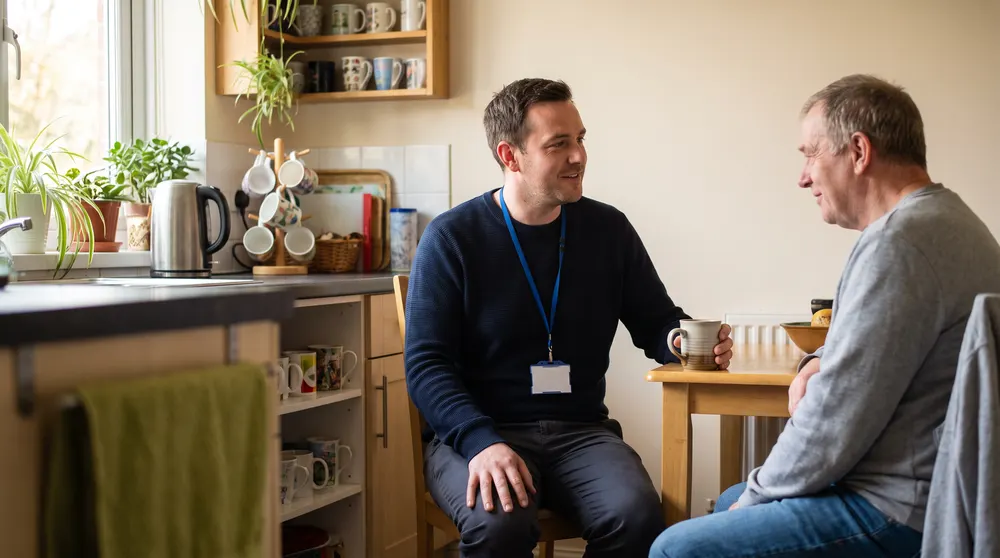
Residential, nursing and supported living teams working with adults, older people and people with learning disabilities or autism.
Who we train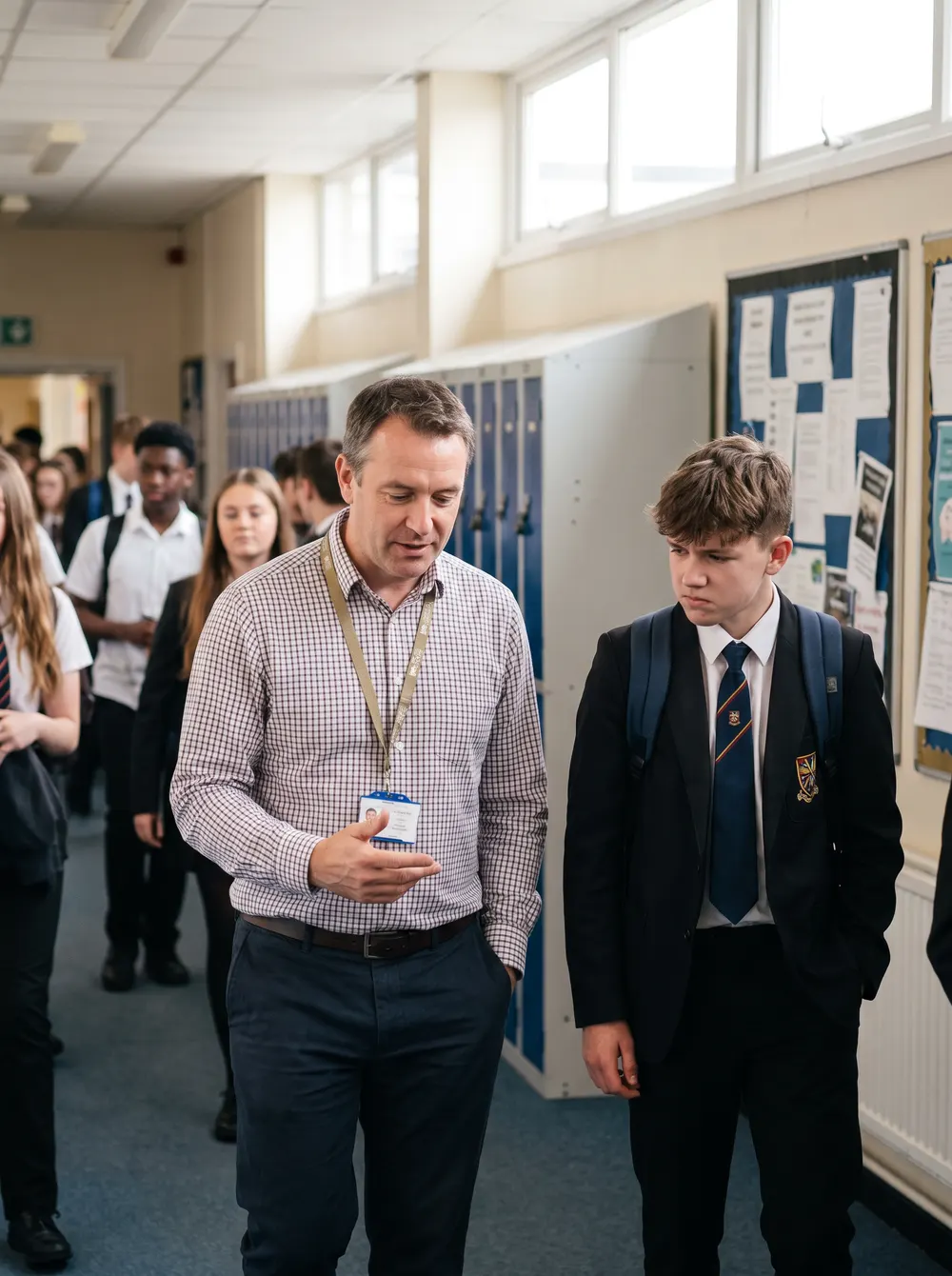
Education
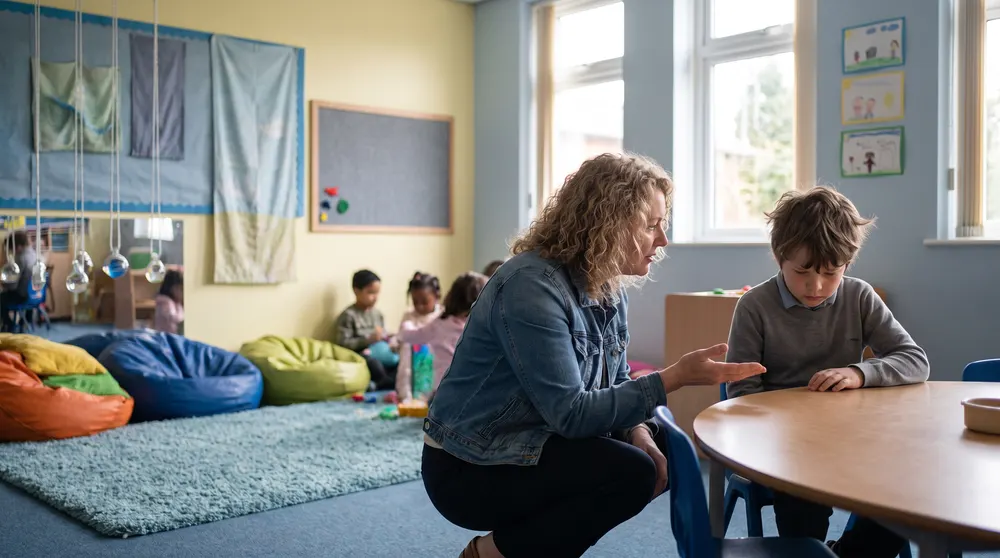
Mainstream and special schools, colleges and alternative provision, from teaching assistants to senior leaders.
Who we train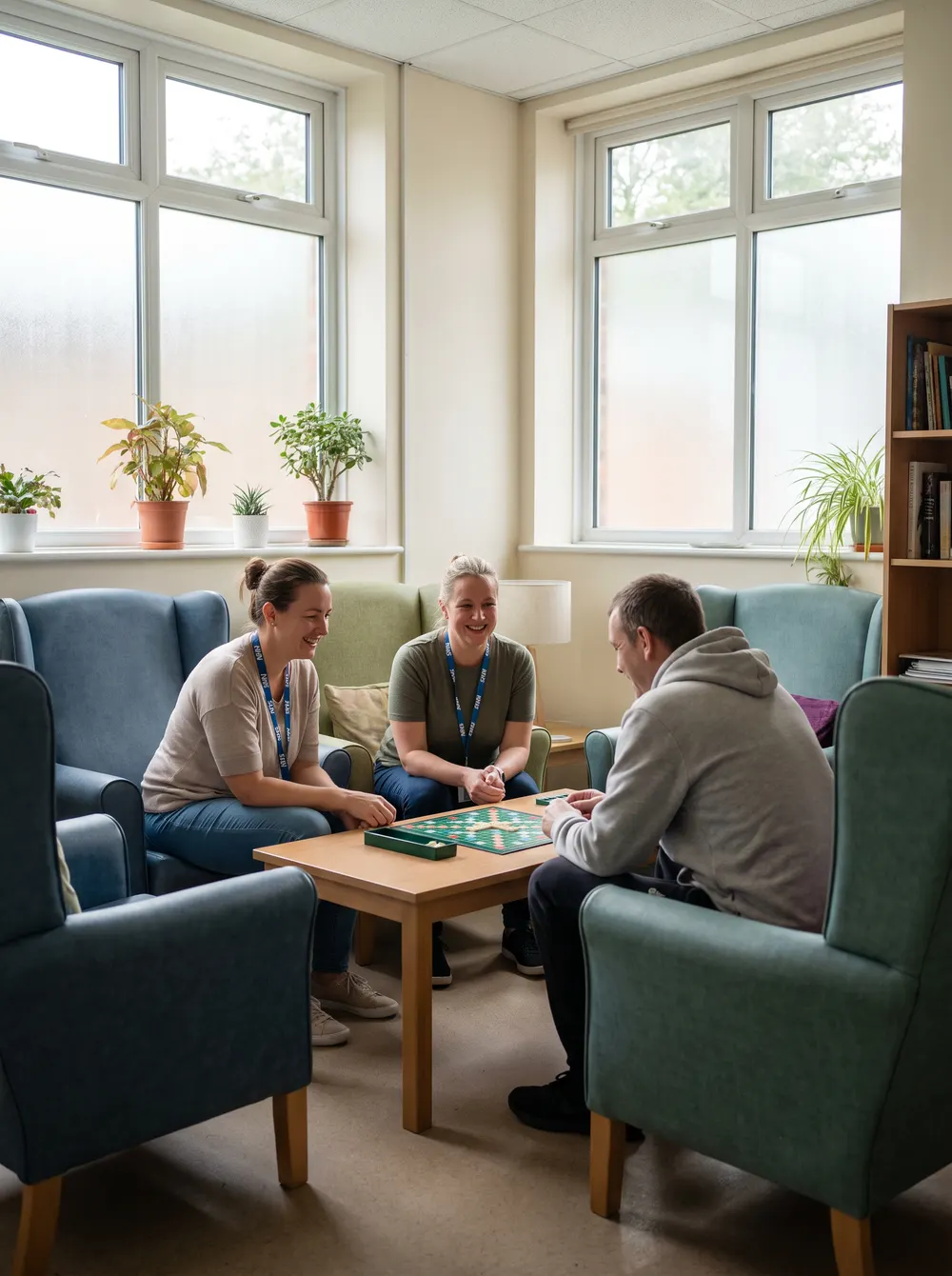
Forensic
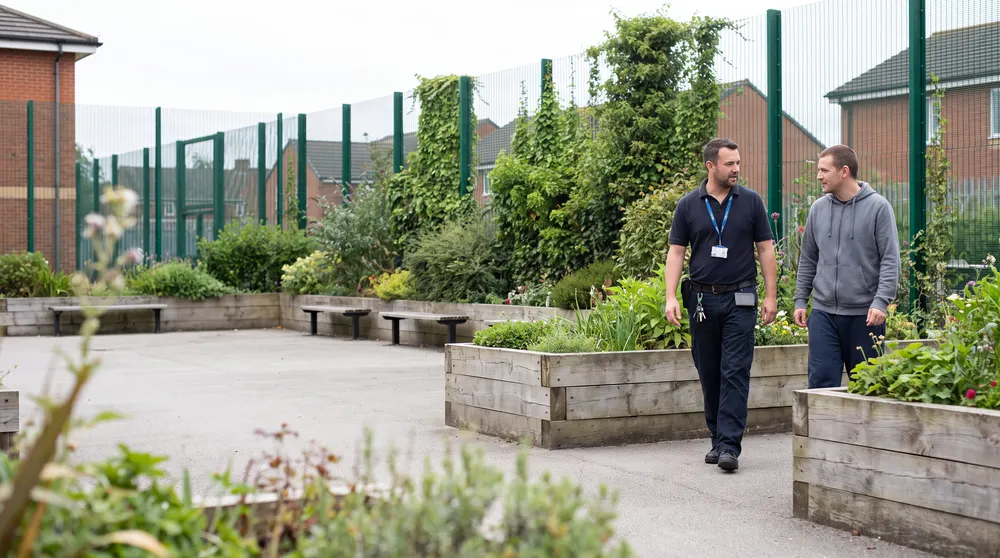
Secure hospitals and forensic services, where staff need confidence when the risks are high.
Who we train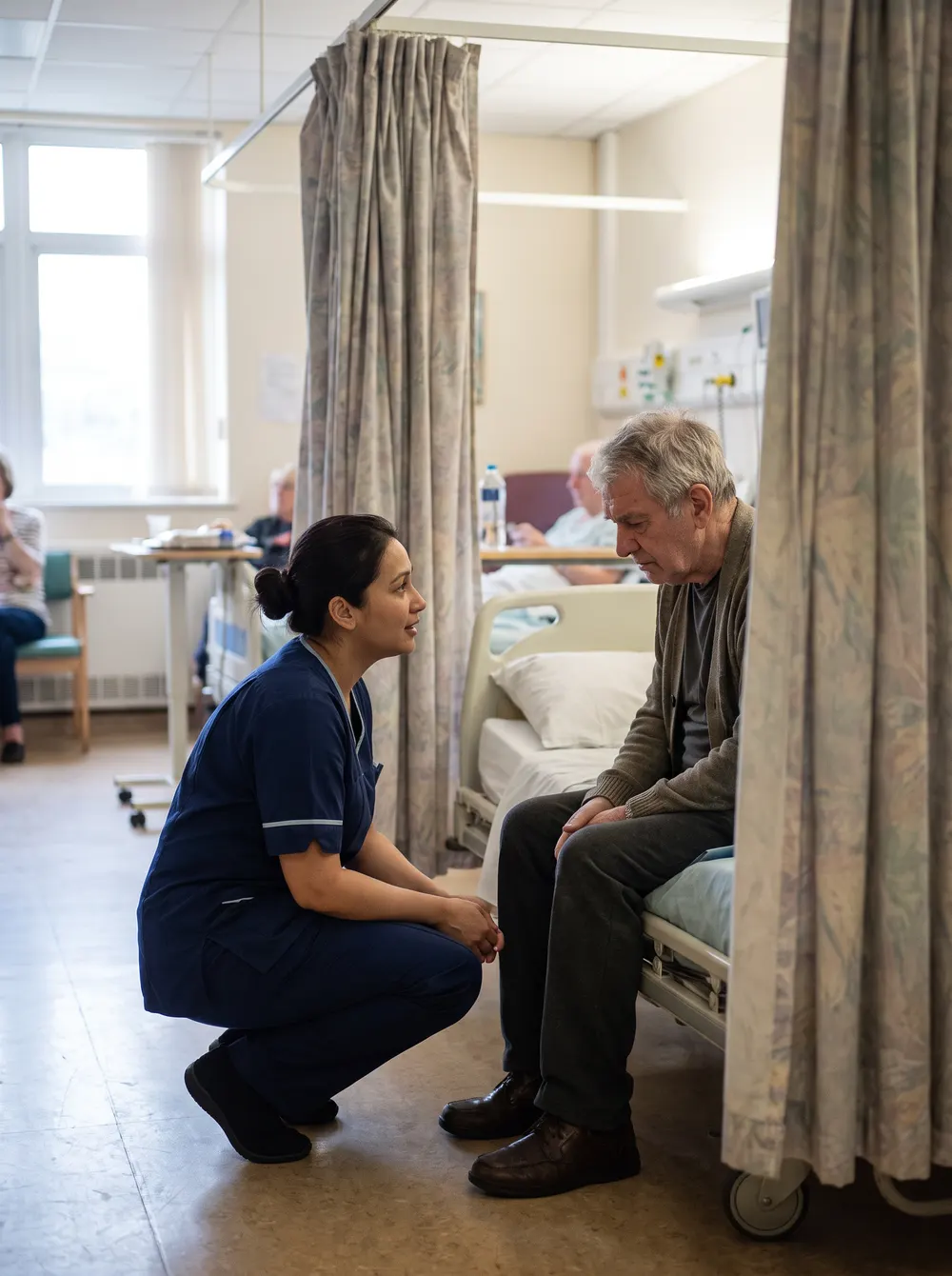
Healthcare
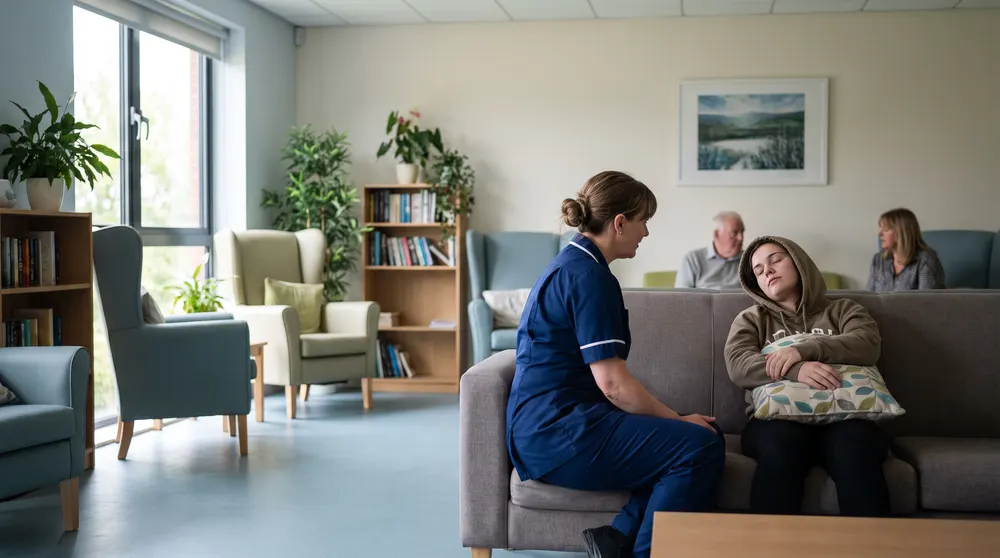
Hospital wards, mental health services and community teams caring for people in distress.
Who we trainYour team keeps learning after the course
Everyone who completes a course gets a log in to the members area, with technique videos, course materials and guides to look back on. Practitioners who deliver our training get their own area for teaching materials and teaching videos.
How many courses does your team need?
Move the slider to see how your staff would split into course groups. The full planner adds refreshers and a timeline for the year.
Example group size of 12. We will confirm real group sizes and prices when you enquire.
Talk to us about training your team
Tell us about your setting and the people you support. We will come back to you with the training that fits and how we would deliver it.