
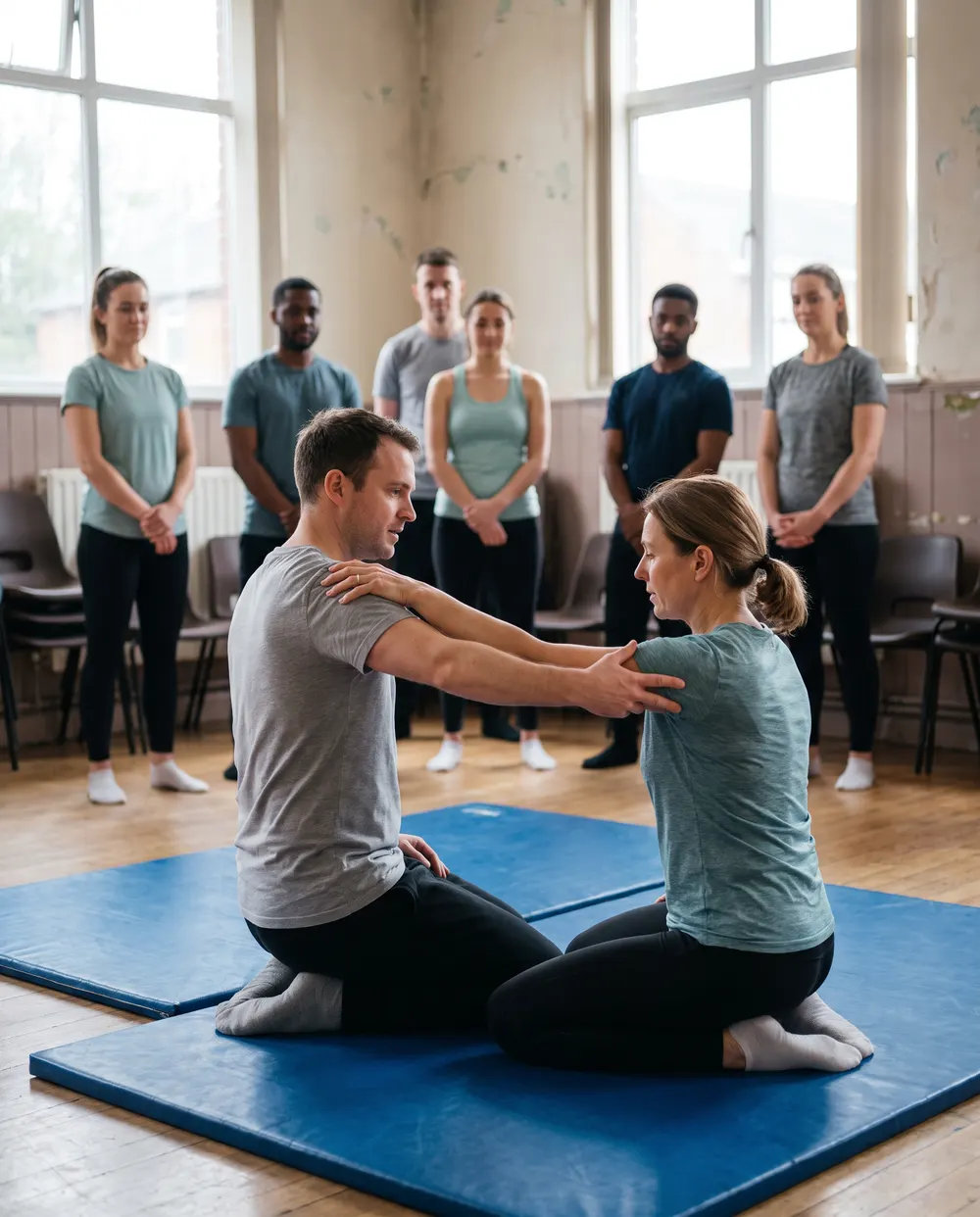
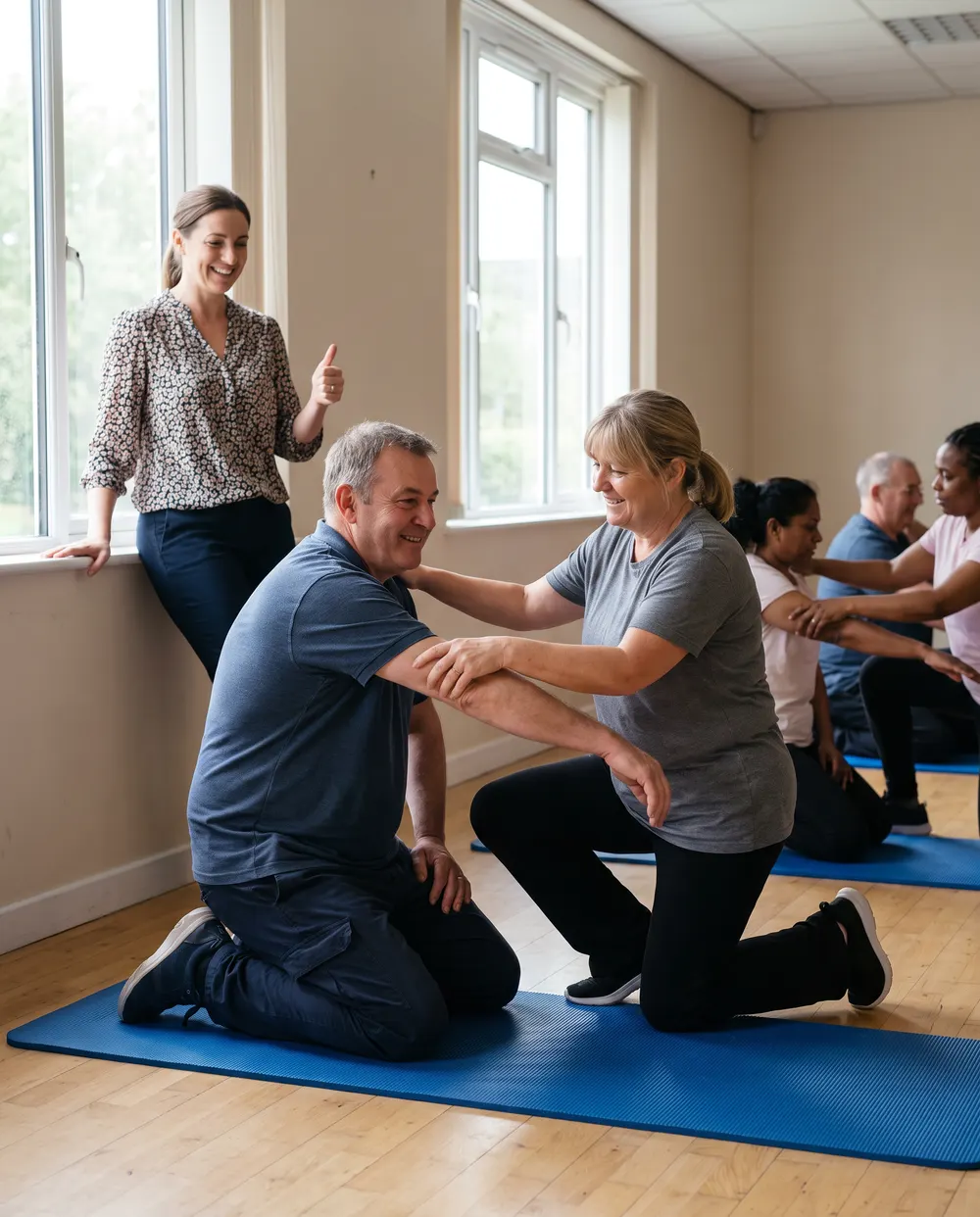
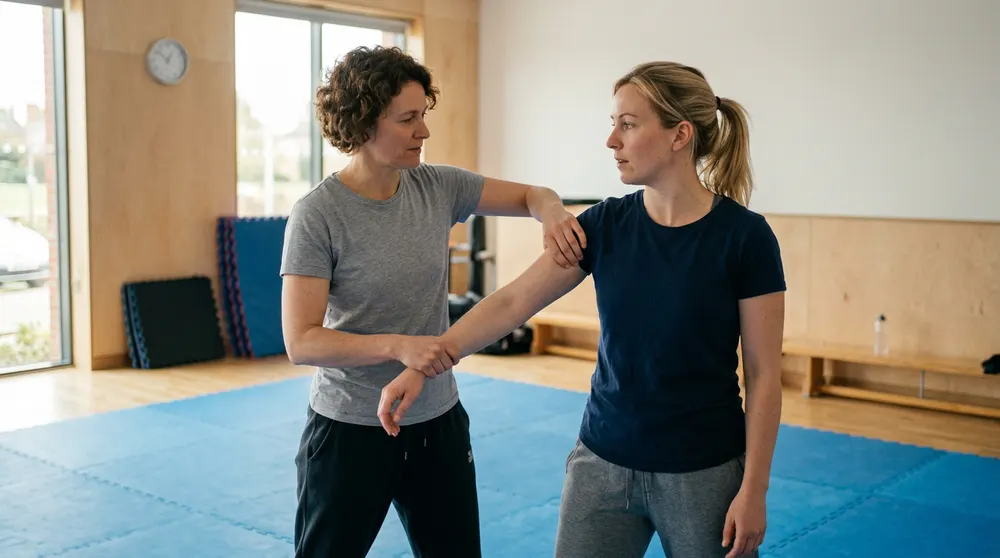
Practising a guiding hold on the course
Behaviour support training that fits your team
Practical training for staff in care, education, forensic and healthcare settings. Your team learns to understand behaviour, calm things down and keep everyone safer, with physical intervention only as a last resort.
- For care, education, forensic and healthcare teams
- Shaped around your setting and the people you support
- A members area log in for everyone after the course
- Refresher training to keep skills current
What your team will learn
The course moves from understanding why behaviour happens, to calming things down, to keeping people safe, to putting things right afterwards.
-

Your staff learn to see behaviour as a way of communicating and to ask what the person is trying to tell them. They practise spotting triggers and the early signs that someone is struggling. A good support plan then helps the whole team respond the same way.
-
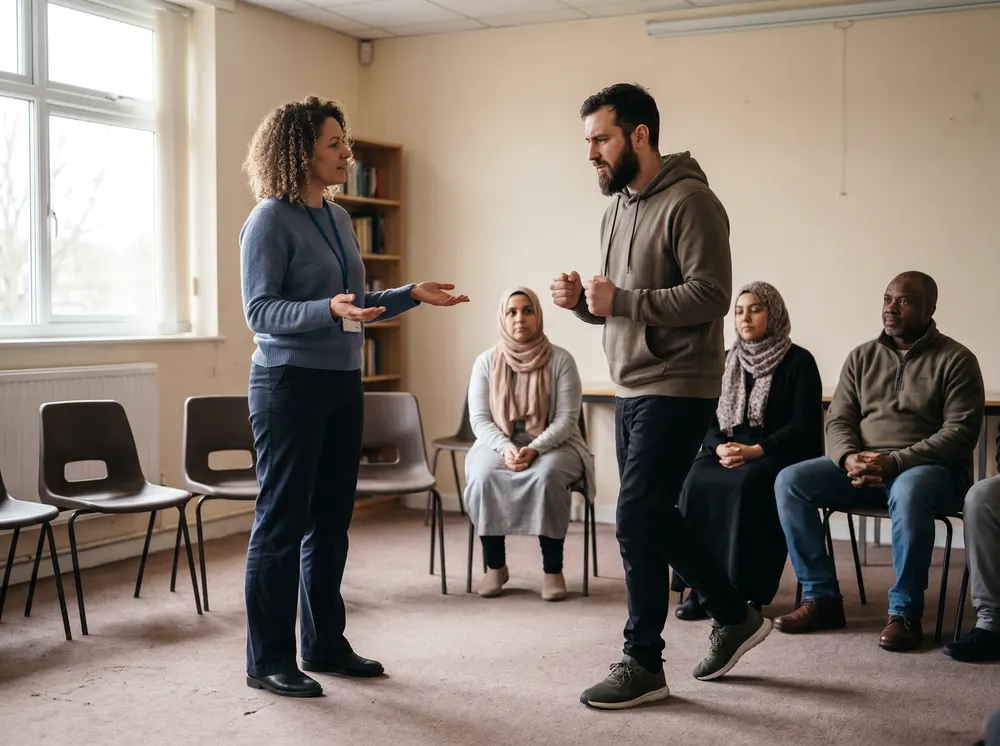
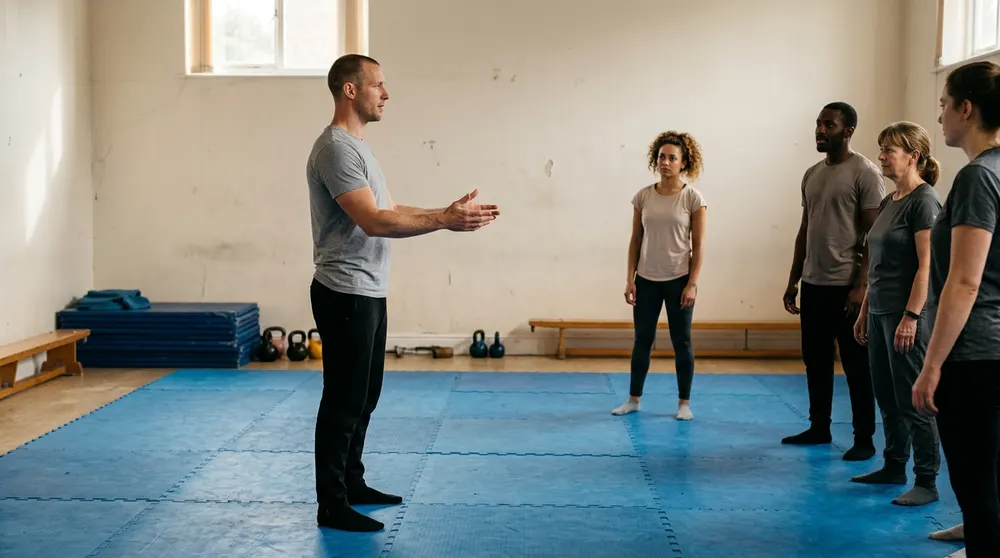
Staff practise lowering the temperature with their voice, their stance and the space they give. They learn to offer real choices, so the person feels some control again. Role play lets them try it out before they need it for real.
-
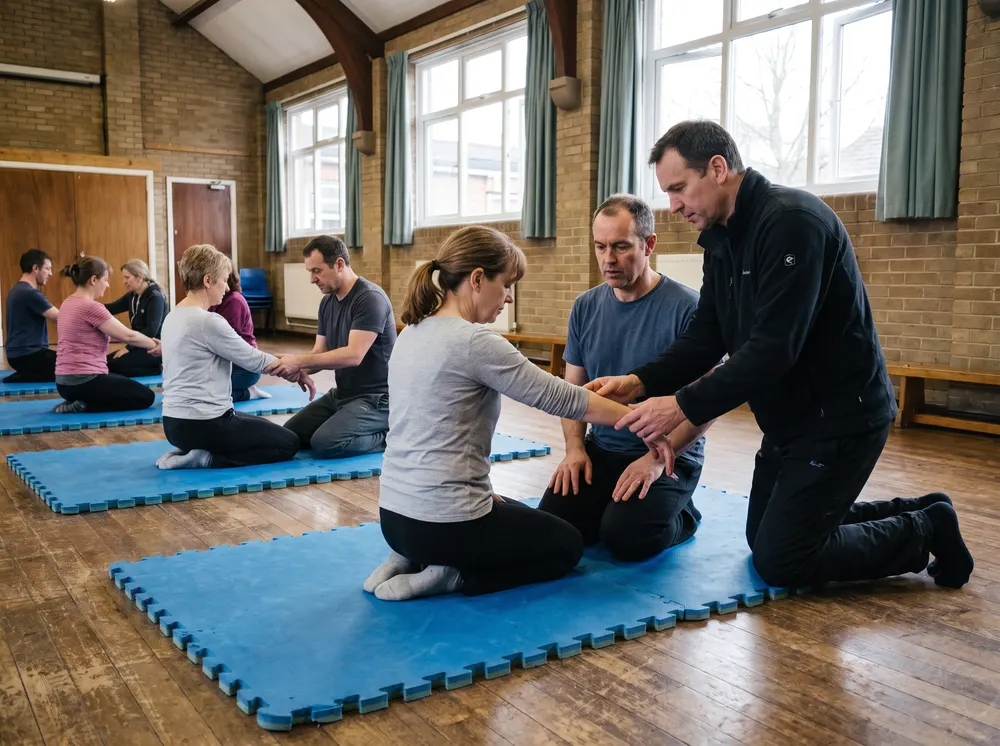
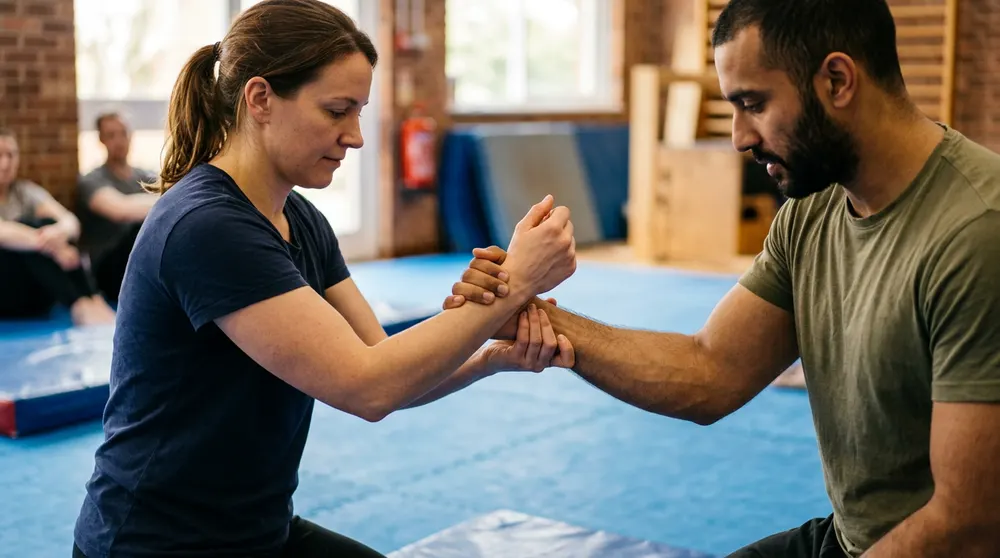
When someone is at risk of harm and nothing else has worked, staff need to know how to keep everyone safer. They practise holds and releases on mats, always starting with the least restrictive option. The aim is fewer incidents and less restrictive practice.
-
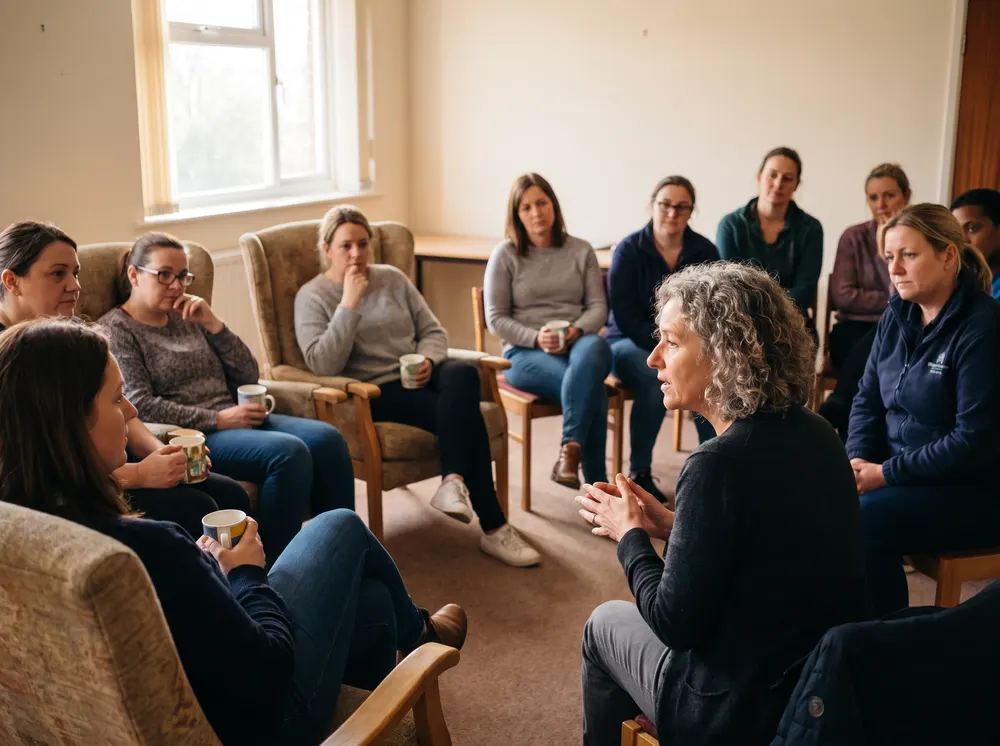
After an incident everyone is tired and shaken, staff included. Your team learns how to debrief, write up what happened clearly and rebuild trust with the person. What they learn goes back into the support plan.
How we deliver your course
From the first conversation to the refresher that keeps your team sharp, this is what happens and when.
-
1

Tell us about your team
Your setting, the people you support and what your staff find hardest.
-
2

We shape the course around your setting
Examples, role play and scenarios that match the place your staff work.
-
3
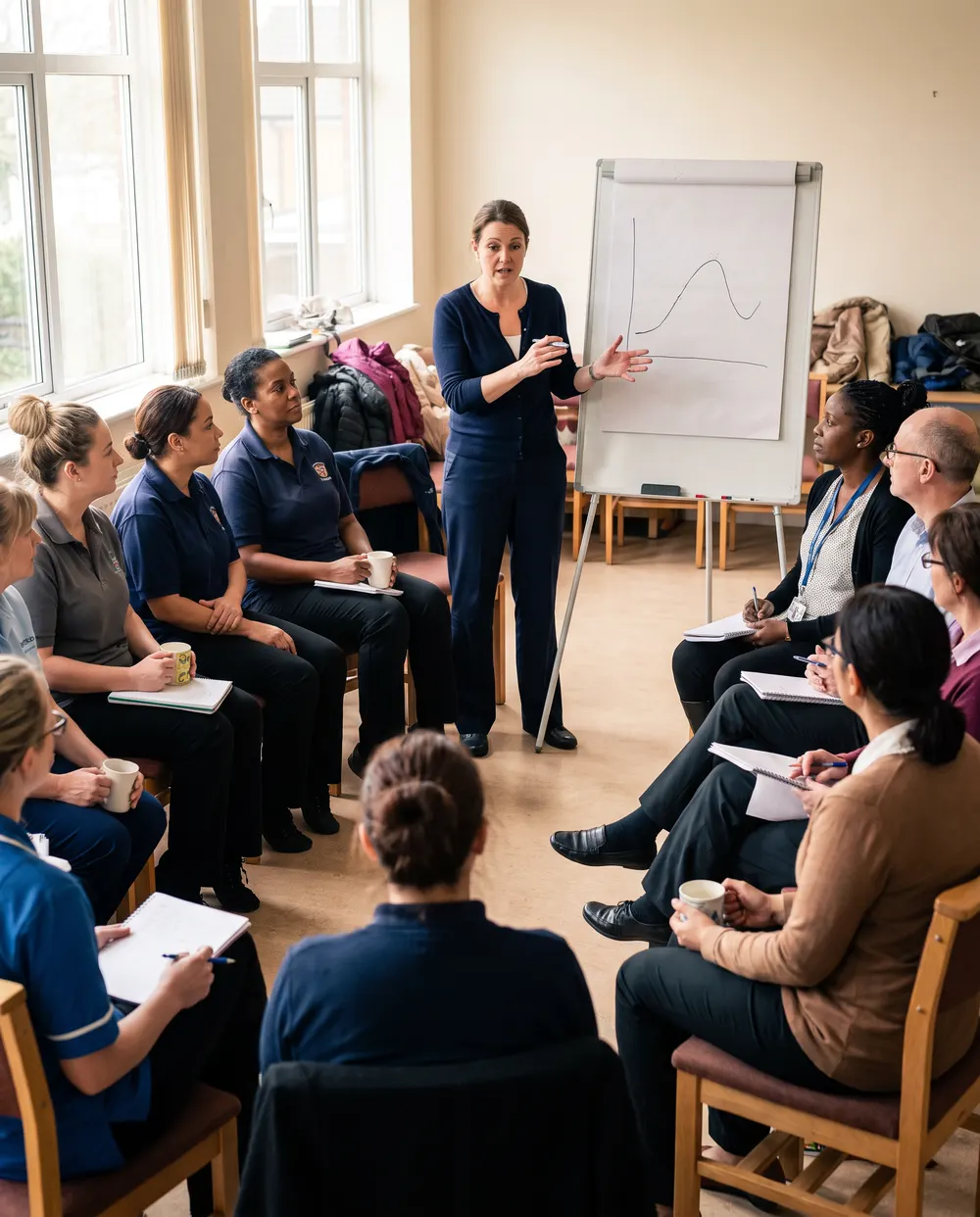
We run the course with your staff
Hands-on practice, role play and time for questions, all with your own team.
-
4
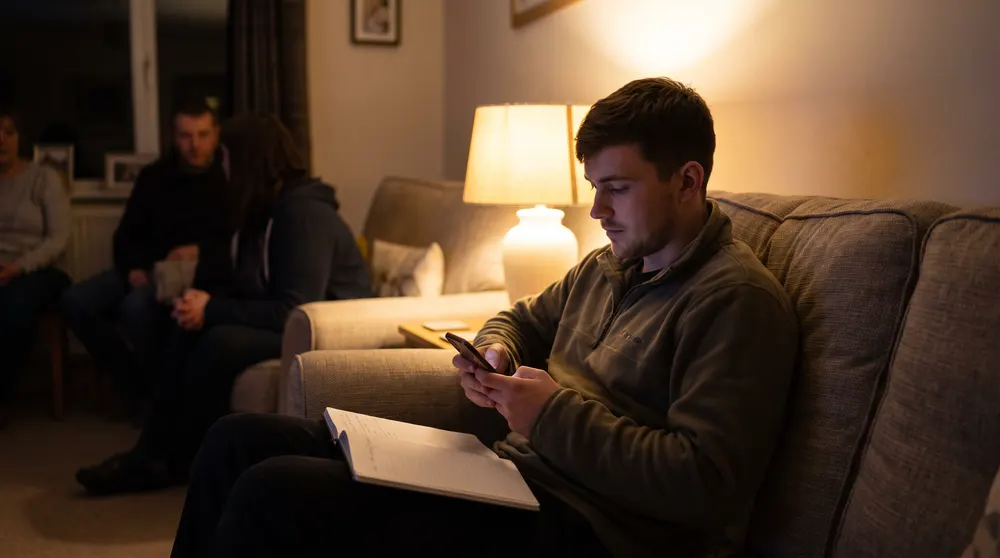
Every course member gets a members area log in
Technique videos, training materials and useful resources to look back on.
-
5
A refresher before skills fade
We help you plan refresher training to keep your team's skills current.
Built for your setting
A secure ward and a primary classroom need different things. We change the examples, the role play and the focus of the course to match where your staff work.
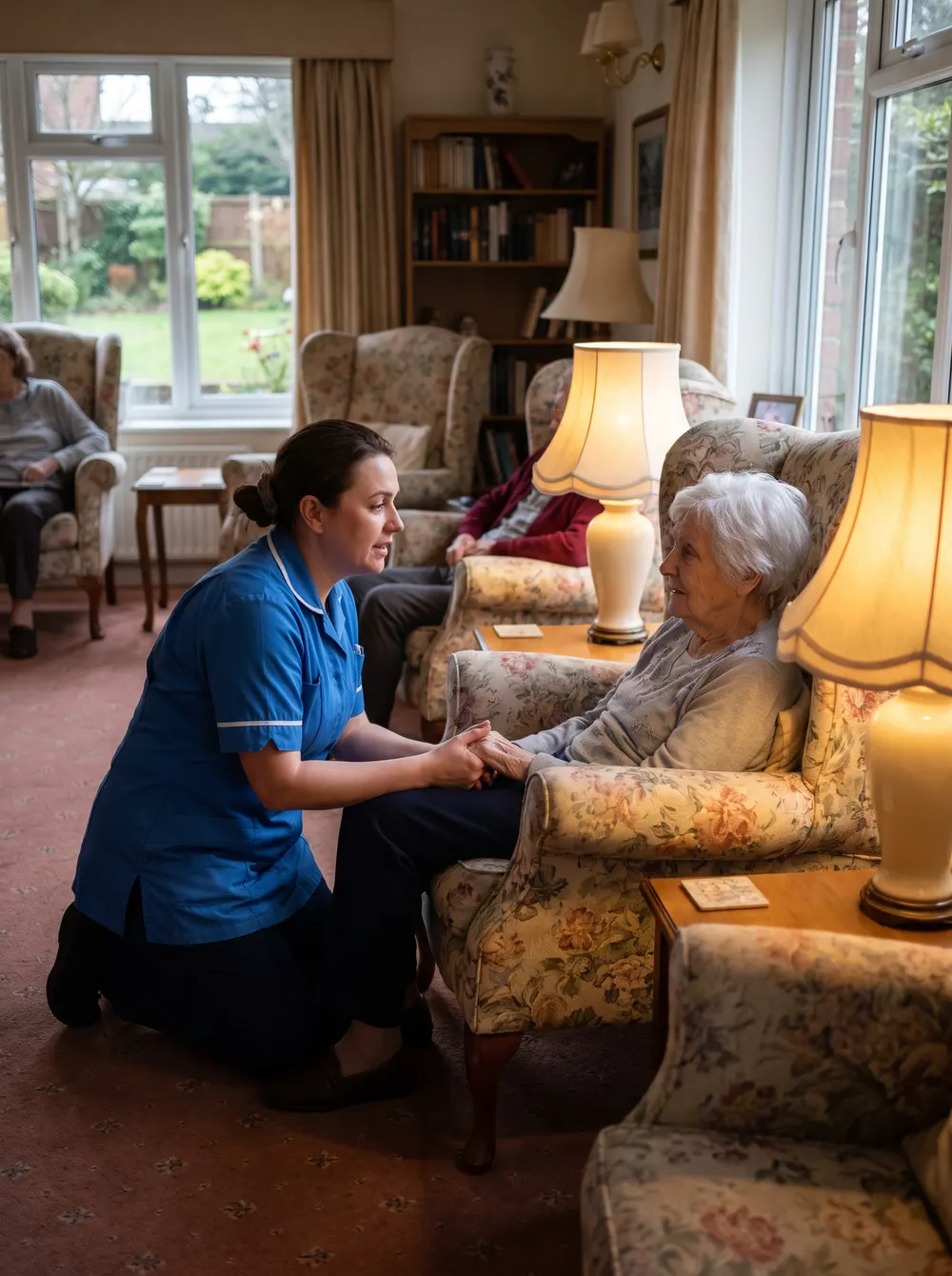
Care homes and supported living
Your staff support people in their own home, often for years. We shape the course around daily routines, personal care and the small changes that can unsettle someone.
What we pay attention to
- Adults, older people and people with learning disabilities or autism
- Personal care and daily routines
- Lone working and small teams
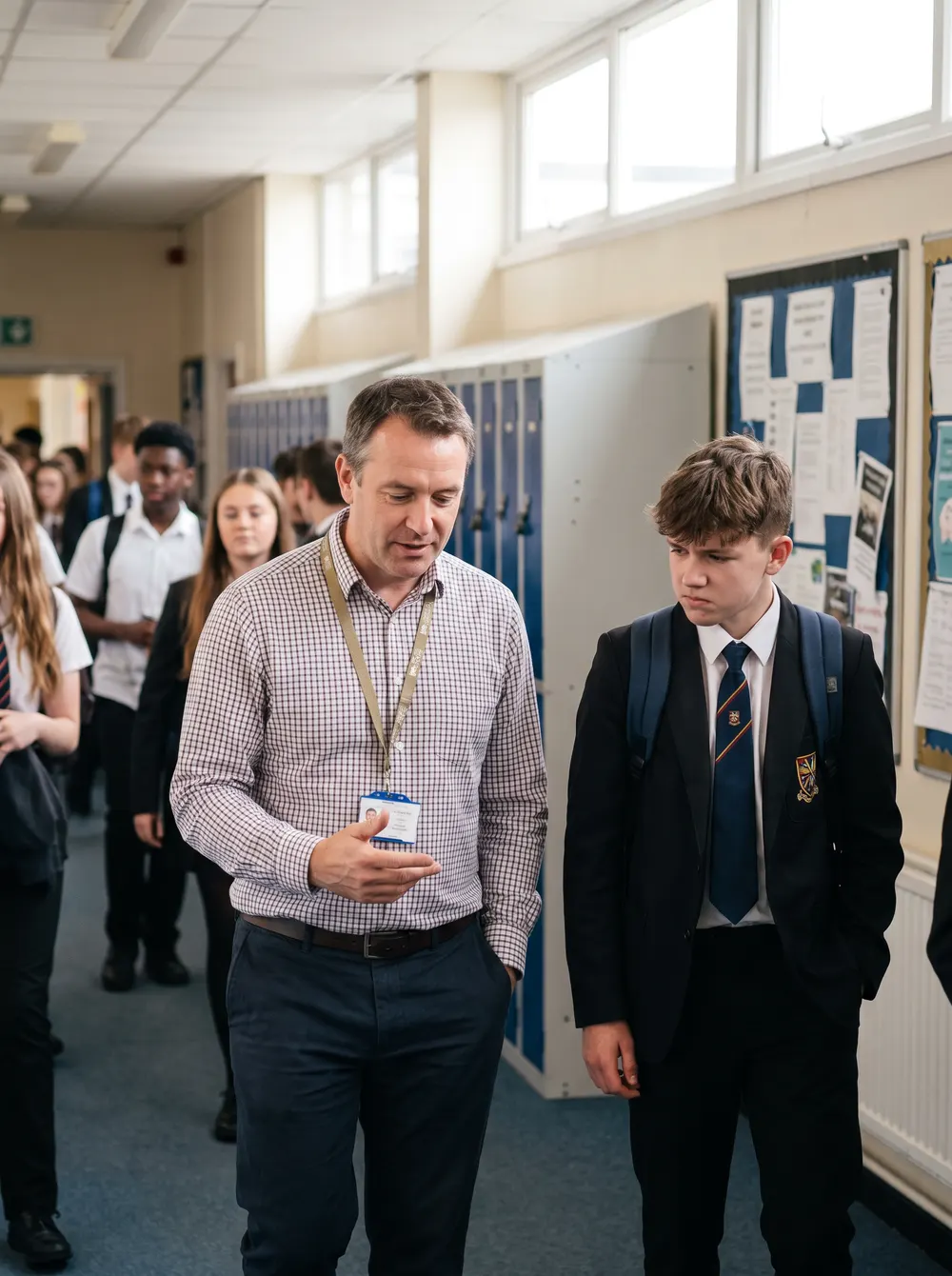
Schools, colleges and alternative provision
Teaching assistants, teachers and leaders need to keep a pupil safe without losing the rest of the class. We look at classrooms, corridors and playgrounds, and at working with families.
What we pay attention to
- Mainstream and special schools
- Busy classrooms and changes between lessons
- Working with parents and carers
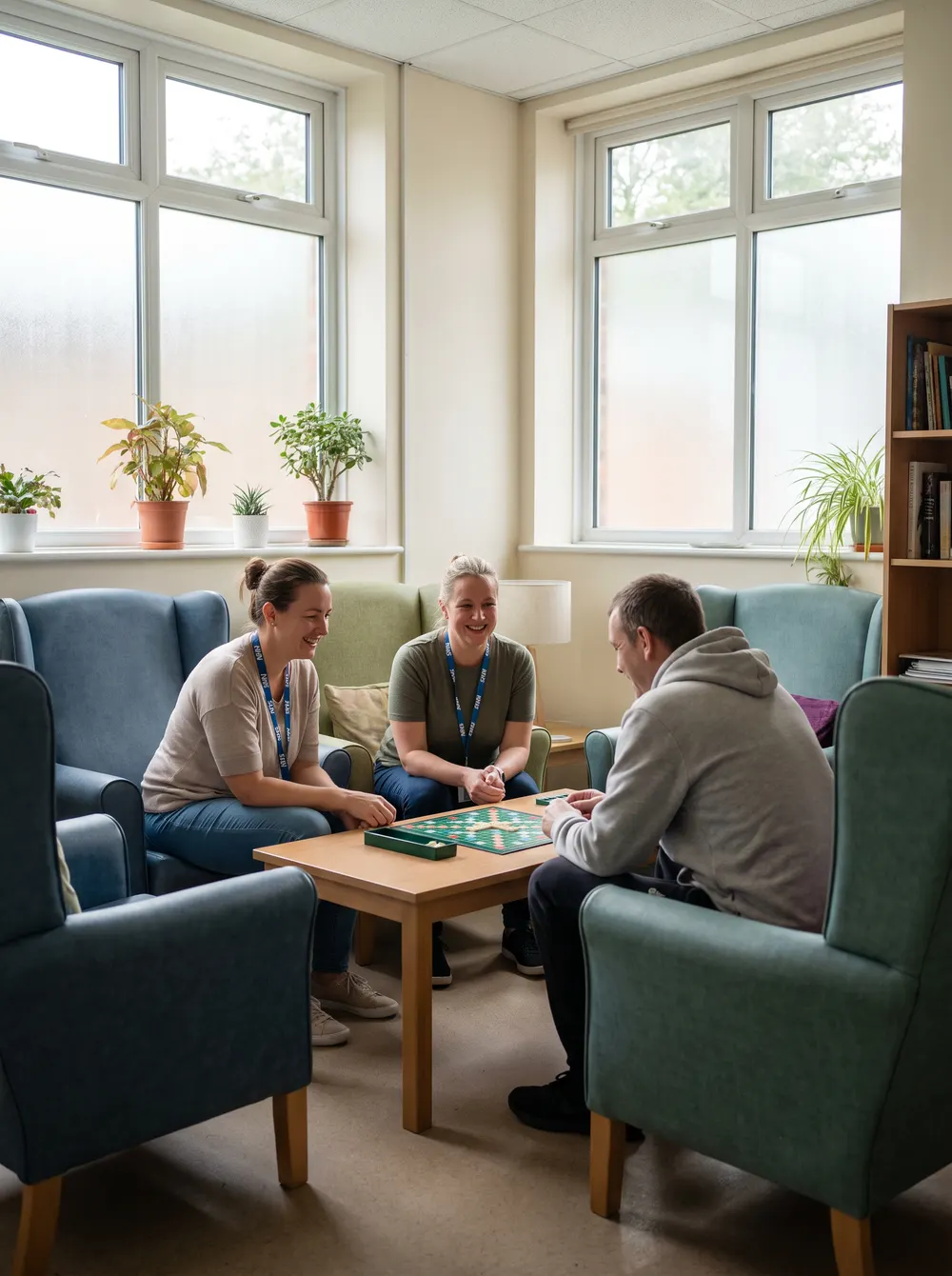
Secure hospitals and forensic services
The risks can be higher and the rules tighter. We focus on calm, consistent responses, working as a team and keeping restrictive practice to a minimum.
What we pay attention to
- Higher risk situations
- Team approaches
- Debriefs after every incident
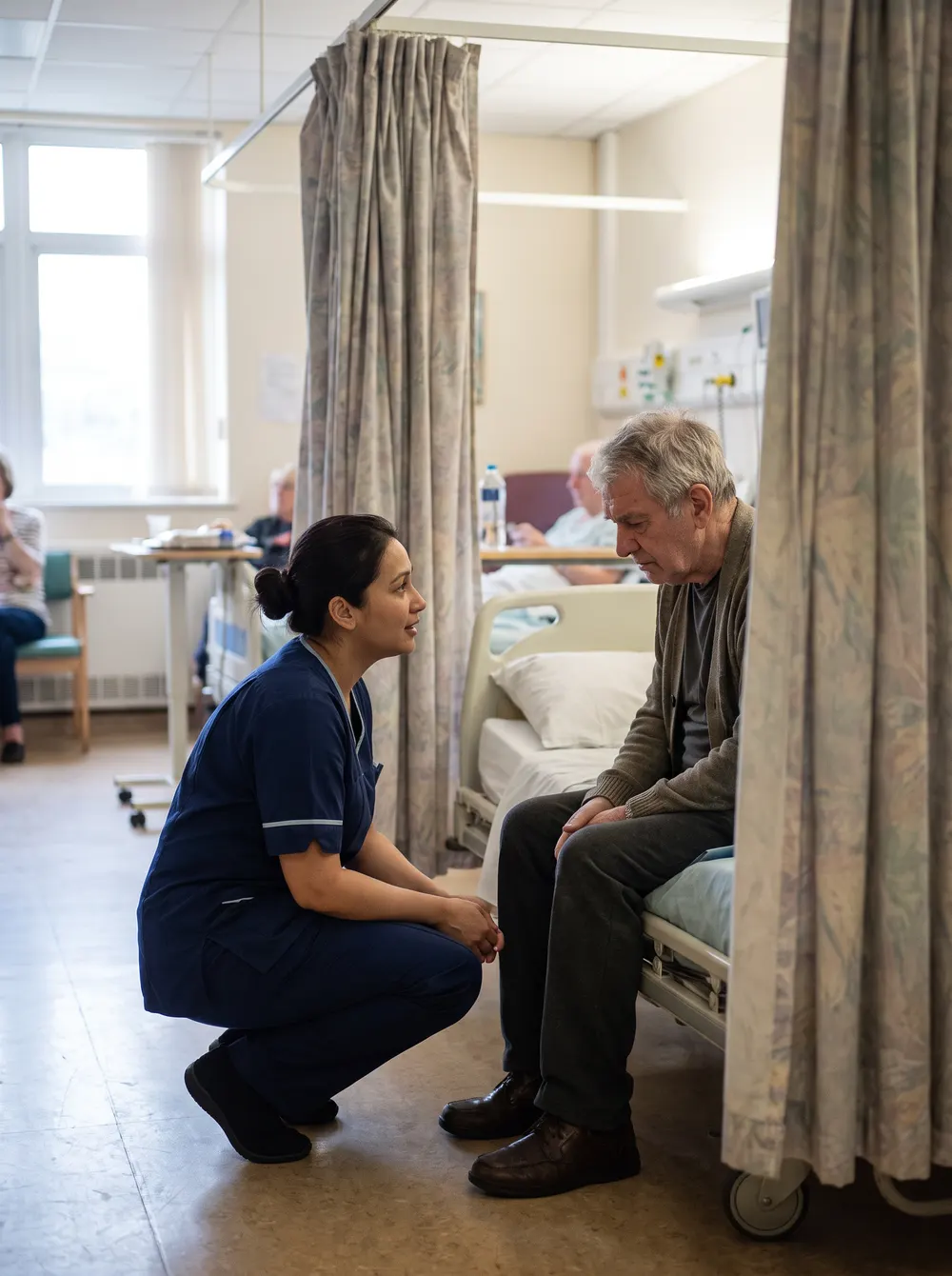
Hospital wards and mental health services
Patients may be frightened, in pain or confused. We look at how staff can calm a distressed patient on a busy ward and keep everyone safer while care carries on.
What we pay attention to
- Pain, confusion and distress
- Busy wards and shift changes
- Mental health and community teams
What your staff get after the course
Every course member gets a log in to the members area. They can watch a technique again before a shift, find their course materials and pick up useful resources whenever they need them.
- Technique videosWatch each technique again, as often as you like
- Training materialsYour course notes and handouts in one place
- Useful resourcesGuides to help with everyday practice

Questions about the course
If yours is not here, ask us when you enquire. We tailor each course, so some answers depend on your team.

Who is the training for?
Staff who support people in care, education, forensic and healthcare settings. We train whole teams, so everyone on shift knows the same approach and can back each other up.
How long is the course?
We set the length around your team, your setting and what you want the course to cover. Tell us what you need when you enquire and we will confirm it.
Where does the training happen?
We agree that with you when you enquire, so it suits your building, your staff and your rota.
How many staff can come on one course?
Group size depends on the course and the space you have. We will confirm numbers when you enquire. For a rough idea first, try the training planner.
Open the training plannerDoes the course cover physical intervention?
Yes, as a last resort. Staff practise safer holds and releases, always starting with the least restrictive option, after they have learned to understand behaviour and calm things down.
Can our own staff deliver the training?
Yes. Staff can train to become practitioners and deliver EASE Approach courses in your service, with their own area for teaching materials and teaching videos.
About becoming a practitioner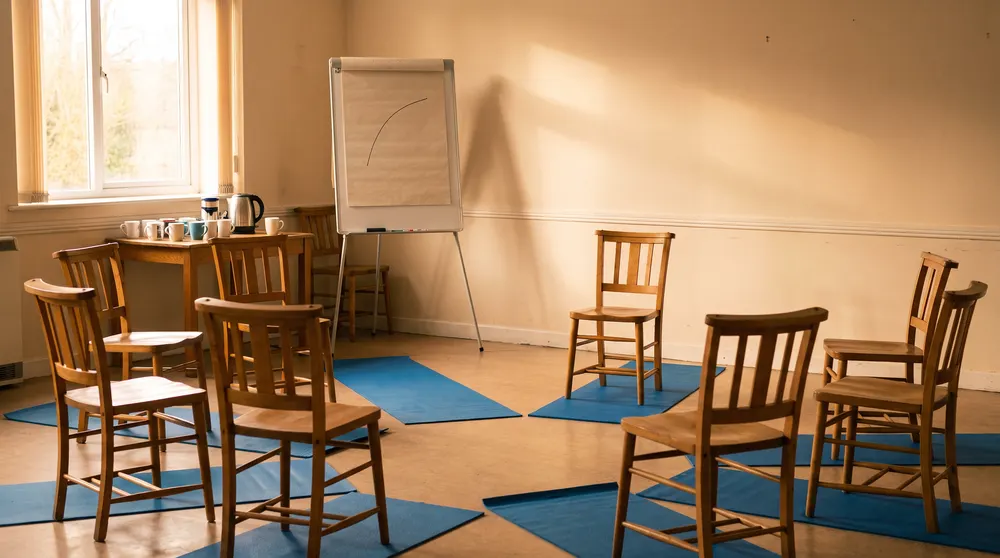
Let's set up a course for your team
Tell us where you work, who you support and what your staff find hardest. We will come back with a course shaped around your team.