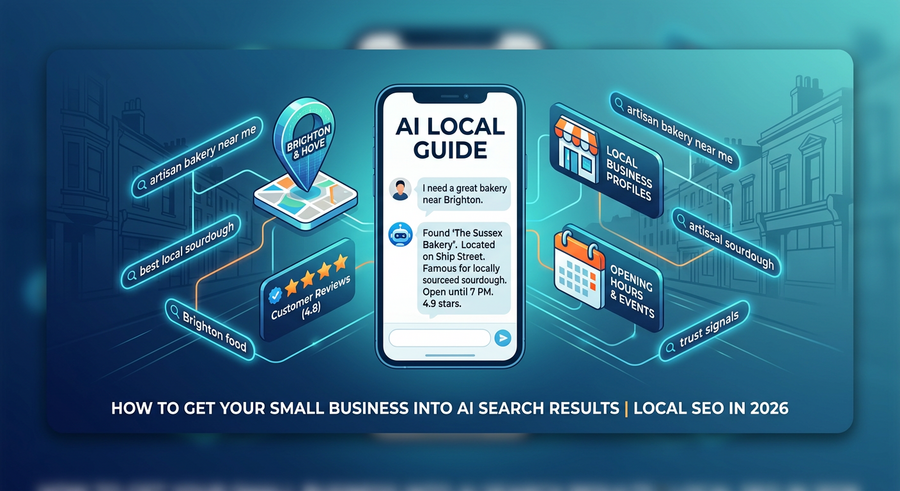
If you run a small business in the UK, you have probably noticed that Google search results look different these days. Alongside the usual blue links, you now see AI-generated summaries at the top of the page. These overviews pull information from websites and answer questions directly, before the user clicks anything at all.
The good news is that local businesses can appear in these AI answers. The not-so-good news is that the old way of doing keyword research will not get you there on its own. Here is what needs to change, and how to do it.
Why AI Search Changes Things for Local Businesses
Traditional keyword research focused on finding high-volume search terms and weaving them into your pages. That still matters, but AI search tools like Google’s AI Overviews, Bing Copilot, and ChatGPT with search enabled work differently. They look for sources that answer a question clearly and completely, and they give extra weight to sources that seem trustworthy and locally relevant.
For a small business in, say, Worthing or Brighton, that is actually an advantage. You can demonstrate local knowledge, real customer relationships, and community presence in a way that a national chain simply cannot. The key is knowing how to frame your content and keywords so the AI picks up on those signals.
Start With Questions, Not Just Keywords
Most small business owners research keywords by thinking about short phrases: “plumber Worthing” or “accountant West Sussex”. That approach is not wrong, but AI search is built around answering questions. So your research needs to start one step back.
Think about the questions your customers actually ask before they decide to call you. Tools like AnswerThePublic, AlsoAsked, and even the “People also ask” boxes in Google are brilliant for this. Type in your core service and location and collect every question that comes up. You are looking for things like:
- “How much does it cost to hire a local electrician in West Sussex?”
- “What should I look for in a web designer near me?”
- “Is it worth using a local accountant instead of an online service?”
Once you have a list of these questions, you have your content brief. Each one is a potential page, blog post, or FAQ section that gives the AI exactly what it needs to quote you.
Build Content That Answers Completely
AI tools do not just skim for a keyword match. They assess whether a page genuinely answers the question. A 150-word paragraph that mentions “plumber Worthing” three times will not cut it.
A useful rule of thumb: write as if you are explaining the answer to a customer face to face. Be specific. If someone asks how much a bathroom refit costs in Sussex, give them a real range, explain what affects the price, and mention any local factors (like older Victorian plumbing that is common in older seaside towns). That kind of specificity is what AI systems pull from when generating answers.
Structure matters too. Use clear headings that mirror the question, keep paragraphs short, and include a concise summary near the top of the page. Google’s AI Overviews tend to lift passages that are self-contained and clearly written, not passages buried inside dense text.
Local Trust Signals Are Your Secret Weapon
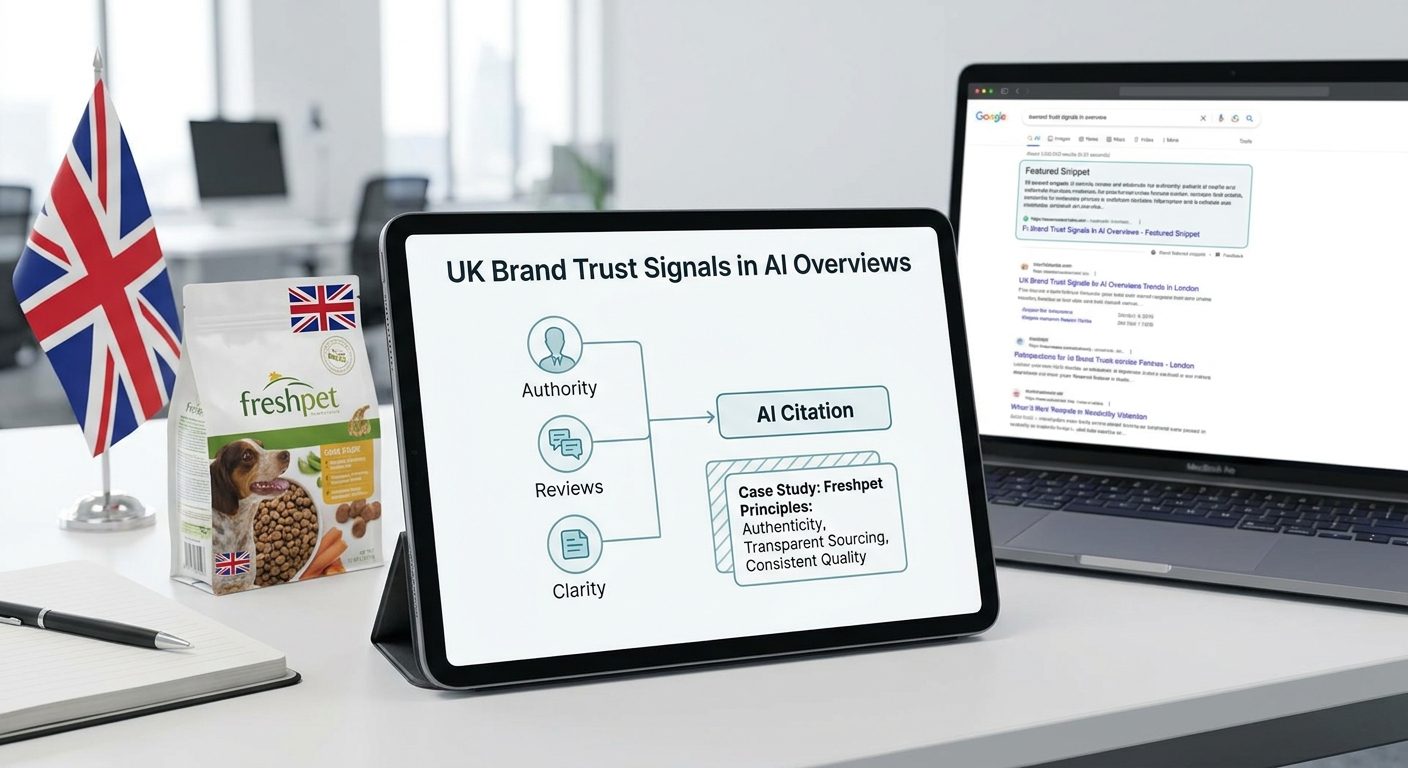
AI search systems try to determine whether a source is credible and relevant to the user’s location. Local trust signals help them make that judgement. These signals include:
- A fully completed and regularly updated Google Business Profile
- Consistent name, address, and phone number (NAP) details across your website, directories, and social profiles
- Genuine customer reviews that mention your location and the specific service
- Local citations on sites like Yell, Thomson Local, and industry-specific directories
- Links from local organisations, chambers of commerce, or local news sites
Reviews deserve special attention here. An AI looking to recommend a local business will favour those with a strong, recent review history. Encourage satisfied customers to leave a Google review and ask them to be specific about the service and location. “Great job rewiring our Worthing flat” is far more useful than “Very happy, would recommend.”
Optimise Your Google Business Profile for Questions
Your Google Business Profile is one of the most direct ways to influence local AI results. Many business owners set it up once and forget about it. In 2026, that is leaving a lot on the table.
Use the Q and A section to post and answer common questions yourself. Write your business description using natural language that reflects how customers search. Add services with detailed descriptions rather than just names. Post regular updates, especially ones that mention your town or region by name.
The profile also feeds into Google Maps results, which are increasingly surfaced inside AI answers when someone searches with local intent. A neglected profile means you are invisible in those moments.
Target “Near Me” Intent Even Without the Phrase
Searches like “accountant near me” or “dentist near me” are extremely common, but users do not always type those exact words. They might just search “emergency plumber” from their phone, and Google infers the local intent from their location.
Your site needs to signal clearly where you operate. Mention your town, county, and nearby areas naturally throughout your content. If you cover multiple areas, consider individual location pages that address the specific needs of customers in each place, rather than a single generic page with a list of towns crammed in at the bottom.
Track What the AI Is Actually Citing
One practical step that many small businesses skip is checking what AI search tools are actually saying about local services in their area. Try searching for your own service category in Google with AI Overviews enabled and see which local businesses get mentioned. Look at those pages and note what they are doing differently.
You can also use tools like BrightLocal or Whitespark to monitor your local rankings and citation health over time. Knowing where you stand makes it much easier to prioritise where to put your effort.
Keep It Consistent and Keep Going
Local SEO in the age of AI is not a one-off job. The businesses that show up consistently are the ones that publish helpful content regularly, keep their profiles updated, and actively manage their reviews. Even one new blog post per month answering a common customer question adds up significantly over a year.
If you are a small business owner juggling everything else, that can feel like a lot. But the businesses that treat their online presence as an ongoing conversation with their local customers, rather than a static brochure, are the ones that AI search will trust enough to recommend.